Featured Books
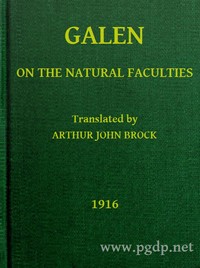
Galen: On the Natural Faculties by Galen
Always visible content "On the Natural Faculties" by Galen is a foundational scientific text written in the late 2nd century AD. This work delves into the principles of physiology and the processes by which living organisms grow, develop, and maintain themselves. Galen seeks to articulate a comprehensive framework for understanding the functions of nature, which he describes through an exploration of the dynamic interplay of various faculties in both plants and animals. The opening of Hidden checkbox to control the toggle Clickable label to show more The extra text that is initially hidden Clickable label to show less this treatise provides a systematic overview of the concepts Galen will be addressing, particularly the distinction between the roles of the soul and nature in organismal functions. He begins by categorizing the actions and effects of living things, distinguishing between growth and nutrition, which are common to both plants and animals. The text sets the stage for a deeper analysis of specific processes, such as digestion and blood-making, laying out Galen's intent to explore the faculties responsible for these biological phenomena while responding to philosophical debates regarding physical existence and change. This introduction emphasizes the importance of clear definitions and systematic inquiry, marking Galen's work as a significant contribution to the medical and philosophical knowledge of his time. (This is an automatically generated summary.)
Sex in Relation to Society
Always visible content "Anomalies and Curiosities of Medicine" by George M. Gould and Walter L. Pyle is an encyclopedic collection of medical phenomena and exceptional cases written in the late 19th century. The work delves into rare and extraordinary instances found throughout medical literature, emphasizing the intriguing anomalies in human anatomy and physiology, and how these peculiarities have captivated the minds of both laypeople and scholars alike. The opening of the compilation provides a comprehensive Hidden checkbox to control the toggle Clickable label to show more The extra text that is initially hidden Clickable label to show less introduction to the fascination surrounding medical anomalies throughout history. It discusses the longstanding human curiosity about the unusual aspects of the body, tracing the evolution of medical understanding from superstitions to scientific inquiry. The authors elaborate on how historical figures, including early anatomists, documented bizarre cases, effectively laying the groundwork for the accumulation of knowledge that would lead to modern medical practices. This early section also sets the stage for the specific chapters to come, which will systematically categorize various anomalies—ranging from genetic oddities to peculiar cases of menstruation—highlighting both their medical significance and the interplay of myth, science, and human understanding throughout the ages. (This is an automatically generated summary.)

Studies in the Psychology of Sex, Volume 6
"Studies in the Psychology of Sex, Volume 6" by Havelock Ellis is a scientific publication written during the late 19th to early 20th century. This volume focuses on the relationship of sex to society, exploring how societal traditions and environmental influences impact the sexual impulse and its expression. The work is part of a larger analytical examination of sexual psychology, where the author intends to address various important problems surrounding sexual behavior, morality, and traditions. At the start of the volume, Ellis reflects on the foundational influence of motherhood on both individual lives and society. He discusses the critical role mothers play in shaping the child's wellbeing and destiny, emphasizing the necessity for maternal rest before and after childbirth to ensure healthier offspring. He highlights current societal issues, such as infant mortality and the degradation of motherhood due to industrialization, indicating a pressing need for structural reforms in public health and hygiene standards. Ellis illustrates how societal neglect of maternal health and responsibilities adversely affects children's survival and societal progression, advocating for greater awareness and institutional support for mothers to foster a healthier future generation. (This is an automatically generated summary.)

Merck's 1899 Manual of the Materia Medica
"Moby Dick; Or, The Whale" by Herman Melville is an epic novel published in 1851. Sailor Ishmael narrates the obsessive quest of Captain Ahab, who commands the whaling ship Pequod in pursuit of Moby Dick, a giant white sperm whale that destroyed his leg. Ahab's monomaniacal hunt for vengeance drives the ship and its diverse crew across the world's oceans, blending realistic whaling details with profound explorations of good, evil, fate, and human nature in this cornerstone of American literature. (This is an automatically generated summary.)

Herbal Simples Approved for Modern Uses of Cure by William Thomas Fernie
Always visible content "Herbal Simples Approved for Modern Uses of Cure" by William Thomas Fernie is a scientific publication written in the late 19th century. This text focuses on the medicinal properties of various herbs, providing detailed explanations and justifications for their use as healing remedies in contemporary medicine. Fernie guides readers through the historical use of herbal medicine while anchoring his insights in modern chemical analysis, thus reconciling traditional practices with contemporary scientific understanding. Hidden checkbox to control the toggle Clickable label to show more The extra text that is initially hidden Clickable label to show less The beginning of the book introduces the concept of "Herbal Simples," defined as single-ingredient remedies derived from plants. It discusses the historical context of herbal medicine, referencing classical sources and outlining the evolution of herbal practices over the centuries. The author aims to clarify the chemical basis for the medicinal properties of common herbs, transitioning from anecdotal evidence to scientifically validated uses. Moreover, he underscores the resurgence of interest in herbal remedies by emphasizing their reliability as alternatives to synthesized medications in the waking age of modern science. (This is an automatically generated summary.)

Plain Facts for Old and Young by John Harvey Kellogg
Always visible content "Plain Facts for Old and Young" by John Harvey Kellogg is a scientific publication written in the late 19th century. The book addresses vital issues related to human sexuality, reproduction, and the physical differences between sexes, with the intent to educate readers on these often-taboo subjects. It aims to counteract widespread ignorance and discuss the implications of sexual behavior and health on individuals and society as a whole. The opening of the Hidden checkbox to control the toggle Clickable label to show more The extra text that is initially hidden Clickable label to show less work introduces the motivations behind its creation, emphasizing the pressing need for accurate information on sexual matters, recognizing both the ignorance surrounding them and the potential dangers of misinformation. Kellogg outlines his objectives to present facts in a straightforward manner, avoiding the sensational or moralistic tones often associated with similar publications. The text suggests a structured approach, beginning with a biological overview of sexual reproduction in both plants and animals before delving into specific functions and anatomy related to human sexuality, setting the foundation for deeper discussions on sexual health, education, and morality that follow in later chapters. (This is an automatically generated summary.)

The Natural History of Pliny, Volume 6 (of 6) by the Elder Pliny
Always visible content "The Natural History of Pliny, Volume 6 (of 6)" by the Elder Pliny is an encyclopaedic work published in AD 77. This final volume forms part of the largest single work surviving from the Roman Empire, spanning 37 books across diverse subjects from astronomy to precious stones. Pliny compiled knowledge from ancient authors to recreate the natural world in literary form, viewing nature as divine and created to serve humanity. Written during Hidden checkbox to control the toggle Clickable label to show more The extra text that is initially hidden Clickable label to show less nights between his duties as imperial administrator, this monumental work influenced encyclopaedias for centuries to come. (This is an automatically generated summary.)

The sexual question : A scientific, psychological, hygienic and sociological…
Always visible content "The Sexual Question: A Scientific, Psychological, Hygienic and Sociological Study" by August Forel is a comprehensive scientific publication written in the early 20th century. This work delves into the complexities of human sexuality, aiming to explore the subject through various lenses such as biology, psychology, sociology, and hygiene. Forel asserts that understanding sexuality is critical for the well-being and happiness of humanity and that it deserves a candid and thorough exploration devoid Hidden checkbox to control the toggle Clickable label to show more The extra text that is initially hidden Clickable label to show less of traditional taboos. The opening of the book introduces Forel’s fundamental ideas and intentions, outlining his commitment to examining the sexual question with a focus on scientific evidence and the psychology of human behavior related to sexuality. Forel emphasizes the importance of addressing this sensitive topic openly, considering the implications of ignorance and misconception surrounding sexual matters. He addresses the necessity of harmonizing human behavior with scientific understanding to promote better futures, particularly in education and social norms regarding sexuality, aiming to equip future generations with a more enlightened perspective. (This is an automatically generated summary.)
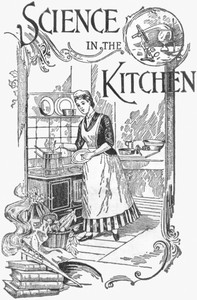
Science in the Kitchen by E. E. Kellogg
"Science in the Kitchen" by E. E. Kellogg is a scientific treatise that was written during the late 19th century. This work delves into the art and science of dietary practices, exploring the relationship between food preparation, health, and nutrition. The book likely covers principles of healthful cookery, backed by scientific principles, and gives numerous recipes aimed at providing wholesome and nourishing meals. The opening portion of the text sets the stage for an exploration of how modern science can transform traditional cooking methods. It discusses the increasing interest in scientific cookery and dietetics, as reflected in the establishment of cooking schools. The author highlights the inadequacies of conventional methods and emphasizes a systematic approach to the preparation of food, aiming for simplicity and nutritional value. Mrs. Kellogg outlines the need for a scientific understanding of food along with practical advice on cooking and dietary combinations, indicating a shift from mere culinary skill to informed, health-oriented practices. (This is an automatically generated summary.)