Art_culture Books
An Illustrated Dictionary of Words used in Art and Archaeology by John W. Mollett
Always visible content "An Illustrated Dictionary of Words used in Art and Archaeology" by John W. Mollett is a reference work written in the late 19th century. The dictionary aims to elucidate terms frequently encountered in the realms of art and archaeology, ranging from architecture to various art forms, including painting, sculpture, and decorative arts. It serves as an invaluable resource for students, researchers, and enthusiasts of art history and archaeology. At the start of Hidden checkbox to control the toggle Clickable label to show more The extra text that is initially hidden Clickable label to show less this reference, Mollett outlines the origins of the dictionary, revealing that it began as an amended edition of a French work by M. Ernest Bosc. He emphasizes the comprehensive approach taken, incorporating definitions drawn from esteemed authorities across multiple disciplines related to art and archaeology. The opening portion also hints at the extensive inclusion of both illustrations and entries, ensuring that readers have a thorough understanding of the history and terminology related to artistic and archaeological practices. (This is an automatically generated summary.)
Historic Paris by Jetta Sophia Wolff
Always visible content "HISTORIC PARIS" by Jetta Sophia Wolff is a historical account written in the early 20th century. This volume serves as a detailed exploration of Paris's architectural heritage, capturing its significant structures and their historical contexts, while reflecting on the author's extensive observations and experiences in the city. The opening of the book introduces readers to a narrative about the evolution of the Louvre, one of Paris's most iconic landmarks. Wolff describes its Hidden checkbox to control the toggle Clickable label to show more The extra text that is initially hidden Clickable label to show less transformation from a simple hunting lodge to a royal palace, detailing the architectural modifications made over the centuries and the key historical events that took place within its walls. The narrative not only emphasizes the architectural richness of the Louvre but also hints at the tumultuous history of the city, using the building as a lens through which to examine broader historical themes. The author invites readers to appreciate the artistry and historical significance found in every corner of Paris as they explore its streets and structures. (This is an automatically generated summary.)

The History of Modern Painting, Volume 2 (of 4) by Richard Muther
Always visible content "The History of Modern Painting, Volume 2" by Richard Muther is an art historical account written in the early 20th century. This volume of a four-part series explores the evolution of modern painting, particularly focusing on developments and artistic movements up to the end of the 19th century. The book delves into various styles and influential artists during a transformative period in art history, highlighting the dynamic relationship between art and contemporary Hidden checkbox to control the toggle Clickable label to show more The extra text that is initially hidden Clickable label to show less society. The opening of the volume presents a critical view of the initial detachment of modern painting from ordinary life and its reliance on historical and classical themes. Muther examines how the art of the early 19th century, particularly in France, Germany, and England, often maintained a distance from the present reality, favoring classical references over modern subjects. He discusses notable artists and their works, such as David and Delacroix, pointing out the shortcomings in capturing contemporary life. The section also emphasizes the role of caricaturists and draughtsmen who began to integrate modern life into their art, representing the societal dynamics and individual experiences of their times. (This is an automatically generated summary.)
Rowlandson the Caricaturist; a Selection from His Works. Vol. 2 by Joseph Grego
Always visible content "Rowlandson the Caricaturist; a Selection from His Works. Vol. 2" by Joseph Grego is a comprehensive collection of satirical illustrations and caricatures created by Thomas Rowlandson, written in the late 19th century. This volume includes a range of works that reflect social and political themes from 1800 to 1825, accompanied by anecdotal descriptions of Rowlandson's famous caricatures as well as insights into his life and contemporaries. The book serves as both an Hidden checkbox to control the toggle Clickable label to show more The extra text that is initially hidden Clickable label to show less art historical account and a commentary on the cultural context of Rowlandson’s time through humor and wit. At the start of the book, readers are introduced to the format that combines the index of the current volume with references to the first volume. This initial section hints at the structure of the book, which contains a chronological summary of Rowlandson's works alongside illustrations that capture the essence of early 19th-century British life, societal norms, humor, and politics. The opening includes a variety of titles and descriptions of the caricatures, showcasing Rowlandson's ability to blend humor with critical societal commentary, as seen in his representations of characters and events from that era. The illustrations aim to provide a vivid window into the past, through both artistic expression and narrative, exemplifying Rowlandson's unique blend of artistry and satire. (This is an automatically generated summary.)

Renaissance in Italy, Volume 1 (of 7) by John Addington Symonds
Always visible content "Renaissance in Italy, Volume 1 (of 7)" by John Addington Symonds is a historical account written in the late 19th century. The book delves into the cultural and intellectual transformation that marked the Renaissance period in Italy, focusing on the rise of art, learning, and political complexities. Symonds explores the interplay between various historical forces that shaped this cultural awakening, providing insights into notable figures and ideas that contributed to the era. Hidden checkbox to control the toggle Clickable label to show more The extra text that is initially hidden Clickable label to show less The opening of the text introduces the concept of the Renaissance as more than just a revival of learning; it is characterized as a profound shift in humanity's perception of freedom and the intellect. Symonds emphasizes the importance of recognizing the continuous evolution of thought from the Middle Ages to the Renaissance, identifying key figures such as Dante, Petrarch, and Boccaccio as precursors to this awakening. He outlines the difficulties in pinpointing the exact dates that define the Renaissance, suggesting instead that it is an ongoing process that reflects an emancipation of the human spirit, driven by rediscoveries in art, science, and scholarship. This foundational framework sets the stage for a deeper exploration of the topics of learning, political history, and artistic development in subsequent chapters. (This is an automatically generated summary.)
Magic, Stage Illusions and Scientific Diversions, Including Trick Photography
Always visible content "Magic, Stage Illusions and Scientific Diversions, Including Trick Photography" compiled and edited by Albert A. Hopkins is a detailed exploration of magical arts and illusions written in the late 19th century. This comprehensive work delves into the integration of scientific principles such as optics, mechanics, and electricity into stage magic, presenting insights into some of the most renowned conjurers and their tricks, including elaborate descriptions and explanations of various illusions. The opening Hidden checkbox to control the toggle Clickable label to show more The extra text that is initially hidden Clickable label to show less of this work sets the stage by outlining the unique niche it fills in the literature of magic, as it attempts to demystify stage illusions through scientific explanations. It highlights the significance of magic as an art form rooted in ancient practices and discusses notable figures in the field, explaining how their tricks are often based on ingenious mechanical and optical principles. Overall, the beginning serves as a promise of an entertaining and educational journey into the world of magic, including historical perspectives, specific techniques, and the harmonious blend of artistry and science in theatrical performances. (This is an automatically generated summary.)

Hans Holbein the Younger, Volume 1 (of 2) by Arthur B. Chamberlain
Always visible content "Hans Holbein the Younger, Volume 1" by Arthur B. Chamberlain is a historical account written in the early 20th century. The book provides a comprehensive exploration of the life and works of the renowned painter, delving into the various artworks, historical contexts, and his family background. It serves as a significant resource for art historians and enthusiasts alike, illuminating the impactful contributions of Holbein and his lineage. The opening of the volume Hidden checkbox to control the toggle Clickable label to show more The extra text that is initially hidden Clickable label to show less lays the groundwork by discussing the life of Hans Holbein the Elder, the father of Hans Holbein the Younger. It details the familial context, including the origins of the Holbein family in Switzerland and their move to Augsburg, along with insights into the elder Holbein’s struggles and influences as an artist. It explores his artistic development and contributions to the Swabian School of painting, providing a backdrop for understanding the eventual prominence of his son, Hans Holbein the Younger, in the world of Renaissance art. The detailed accounts of their lives form a crucial narrative for appreciating Holbein's legacy in the arts. (This is an automatically generated summary.)
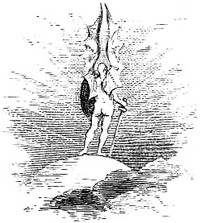
William Blake: A Critical Essay by Algernon Charles Swinburne
Always visible content "William Blake: A Critical Essay" by Algernon Charles Swinburne is a literary critique written in the late 19th century. The book serves as a comprehensive examination of the life and works of the visionary poet and artist William Blake, highlighting his unique contributions to art and literature. The author draws on Blake’s lesser-known designs and poems to illuminate the depth of his genius and the challenges he faced in gaining recognition during Hidden checkbox to control the toggle Clickable label to show more The extra text that is initially hidden Clickable label to show less his lifetime. The opening of the essay introduces Blake’s life and legacy, emphasizing his struggle against conventional expectations of art and poetry. Swinburne paints a vivid picture of Blake as a passionate and unconventional figure whose ideas were often ahead of his time. He reflects on Blake’s deep and sometimes chaotic spirituality, his revolutionary artistic expressions, and the complex relationships he maintained with other artists and critics of his era. The narrative sets the stage for a deeper exploration of Blake’s lyrical and prophetic writings, indicating that there is much more to his work than a surface-level interpretation might suggest. (This is an automatically generated summary.)

Rings for the finger : from the earliest known times to the present, with full…
Always visible content "Rings for the Finger" by George Frederick Kunz is a detailed historical account written in the early 20th century. The work explores the significance of rings throughout history, focusing on their origins, usages, materials, and cultural symbolism, particularly in relation to love, engagement, and mourning rituals. This comprehensive volume is likely to appeal to readers interested in jewelry, history, and the intricate meanings associated with adornments. At the start of the book, Hidden checkbox to control the toggle Clickable label to show more The extra text that is initially hidden Clickable label to show less the author sets out the purpose of his work, explaining that it aims to gather everything important regarding finger rings from ancient times to the present. Kunz discusses the obscure origins of rings, tracing their development from modified seals used in ancient Egypt to various forms utilized in different cultures, such as signet rings and wedding bands. He highlights the societal and spiritual significance attributed to these ornaments, while providing a glimpse into their decorative evolution, talismanic attributes, and the craftsmanship behind their creation. The opening chapters promise to delve into diverse themes—including rings' uses in official contexts, religious ceremonies, and personal milestones—indicating a rich exploration of both material and sentimental value attached to rings. (This is an automatically generated summary.)