Featured Books
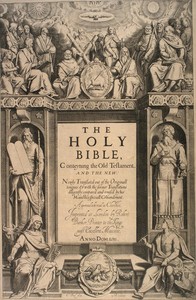
The King James Version of the Bible
Always visible content "The King James Version of the Bible" is an English translation of the Christian Bible commissioned in 1604 and published in 1611 under King James VI and I. This translation for the Church of England contains 80 books and was created to address controversies surrounding existing versions. Celebrated for its majestic style, it has profoundly shaped English literature, Christian thought, and everyday speech for over four centuries. The translation became the unchallenged Hidden checkbox to control the toggle Clickable label to show more The extra text that is initially hidden Clickable label to show less standard in English Protestant churches and remains one of the most widely read versions today. (This is an automatically generated summary.)
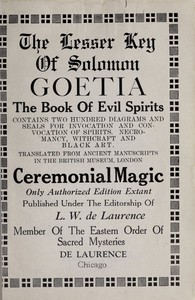
The lesser Key of Solomon, Goetia, the book of evil spirits : contains two…
Always visible content "The Lesser Key of Solomon, Goetia, the book of evil spirits: contains two…" is an anonymously authored grimoire compiled in the mid-17th century from older materials. This sorcery manual divides into five books, with the Ars Goetia cataloging seventy-two demons summoned through ritual magic. Drawing from Renaissance occult sources, the text details spirits, seals, and invocations for controlling supernatural entities. The work bridges medieval demonology and ceremonial magic, offering practitioners detailed instructions Hidden checkbox to control the toggle Clickable label to show more The extra text that is initially hidden Clickable label to show less for summoning and commanding evil spirits through elaborate rituals and protective measures. (This is an automatically generated summary.)

The Confessions of St. Augustine by Saint of Hippo Augustine
Always visible content "The Confessions of St. Augustine" by Bishop of Hippo Saint Augustine is an autobiographical work written between AD 397 and 400. In thirteen books composed as prayers to God, Augustine recounts his turbulent journey from a sinful youth to Christian conversion. He reflects on his immoral past, his time following Manichaeism, and the influential figures who guided him toward faith. Considered the first Western autobiography, this intimate spiritual memoir explores themes of Hidden checkbox to control the toggle Clickable label to show more The extra text that is initially hidden Clickable label to show less sin, redemption, and humanity's restless search for divine truth. (This is an automatically generated summary.)
The City of God, Volume I by Saint of Hippo Augustine
Always visible content "The City of God, Volume I" by Bishop of Hippo Saint Augustine is a work of Christian philosophy written in Latin in the early 5th century AD. Composed in response to Rome's sack by the Visigoths in 410, Augustine defends Christianity against accusations that it caused Rome's decline. He presents human history as a conflict between the Earthly City—those pursuing worldly pleasures—and the City of God—those dedicated to eternal truths. Through theological Hidden checkbox to control the toggle Clickable label to show more The extra text that is initially hidden Clickable label to show less argument and historical analysis, Augustine refutes pagan religion and philosophy while expounding on suffering, evil, free will, and original sin. (This is an automatically generated summary.)
Toadstools, mushrooms, fungi, edible and poisonous; one thousand American fungi
Always visible content “Toadstools, Mushrooms, Fungi, Edible and Poisonous; One Thousand American Fungi” by Charles McIlvaine is a scientific publication written in the early 20th century. This detailed guide aims to educate readers on both edible and poisonous fungi found in America, based on extensive personal research and standardized classifications of species. The book serves as a comprehensive tool for mycologists, culinary enthusiasts, and amateur foragers alike. The opening of the book begins with a Hidden checkbox to control the toggle Clickable label to show more The extra text that is initially hidden Clickable label to show less preface where McIlvaine recounts his journey into the study of fungi, sparked by encounters with various mushrooms in the West Virginia mountains. Through personal experimentation, he learned to differentiate between edible and poisonous varieties, ultimately compiling a wealth of knowledge over two decades. He expresses a desire to share this information, addressing both the culinary possibilities and safety concerns associated with mushroom consumption. The introduction also outlines the absence of a standardized text on American fungi, setting the foundation for the comprehensive descriptions and careful classifications that follow in the main text. (This is an automatically generated summary.)
The Gourmet's Guide to London by Lieut.-Col. Newnham-Davis
Always visible content "The Gourmet's Guide to London" by Lieut.-Col. Newnham-Davis is a culinary guidebook written in the early 20th century. The book explores various restaurants and pubs in London, focusing on establishments that offer good value and are notable for their history, setting, or chefs. Through detailed descriptions, it seeks to present the diverse culinary landscape of the city, catering to the tastes of both locals and tourists alike. The opening of the book Hidden checkbox to control the toggle Clickable label to show more The extra text that is initially hidden Clickable label to show less sets the stage for its exploration of British cuisine, beginning with a discussion on traditional English fare. It describes the quintessential elements of a "typical good old English dinner" and emphasizes the significance of classic dishes made from locally sourced ingredients. The author reflects on his personal experiences with various stations of British cooking, presenting a nostalgic view of dining that honors culinary tradition while acknowledging the evolving landscape of London's food culture. This introduction invites readers to join him on a gastronomic journey through London, highlighting the importance of food in social and cultural settings. (This is an automatically generated summary.)
Drinks of the World by James Mew and John Ashton
Always visible content "Drinks of the World" by James Mew and John Ashton is a comprehensive guide on various beverages written in the late 19th century. This work covers an extensive range of drinks, including alcoholic and non-alcoholic options, with a focus on their historical context, cultural significance, and methods of production. The authors aim to present the information in a manner that is both enjoyable and informative for the general reader, making the book Hidden checkbox to control the toggle Clickable label to show more The extra text that is initially hidden Clickable label to show less accessible for those interested in the rich history of drinks globally. The opening of "Drinks of the World" sets the tone by discussing the necessity of drinking for human survival, emphasizing that humans need fluids to replace bodily losses. The authors reflect on how natural thirst leads to the creation of different beverages, highlighting the cultural evolution from simple water to more complex drinks like wines and beers. They also note the diverse historical practices, such as ancient Egyptian wine-making, and the social aspects surrounding drinking across different civilizations. The introduction contributes to an understanding of the book's broader purpose: to explore the myriad ways humans have addressed thirst and created social rituals around drinking throughout history. (This is an automatically generated summary.)
Modern cookery for private families by Eliza Acton
Always visible content "Modern Cookery for Private Families" by Eliza Acton is a cookery book first published in 1845. This groundbreaking work revolutionized recipe writing by introducing exact ingredients, quantities, and cooking times—a major departure from previous cookbooks. Praised by culinary writers including Delia Smith and Elizabeth David, it became a bestseller through thirteen editions. The book features everything from fish to puddings, written in Acton's distinctive storytelling style, with practical essays and personal asides Hidden checkbox to control the toggle Clickable label to show more The extra text that is initially hidden Clickable label to show less that guide cooks through each dish with clarity and charm. (This is an automatically generated summary.)

The Cook's Decameron by Mrs. W. G. Waters
Always visible content "The Cook's Decameron" by Mrs. W. G. Waters is a culinary guide written during the late 19th century, intertwining elements of fiction with practical cooking instruction. The text presents itself as a narrative about the Marchesa di Sant'Andrea, a character who finds herself navigating the trials and tribulations of English dining culture while advocating for the appreciation of genuine Italian cuisine. The book offers a plethora of over two hundred Italian recipes Hidden checkbox to control the toggle Clickable label to show more The extra text that is initially hidden Clickable label to show less aimed at teaching English housewives how to incorporate authentic Italian culinary techniques into their cooking, particularly to elevate everyday meals without extravagant expenses. At the start of the narrative, the Marchesa reviews a series of letters notifying her that several dinner engagements have been canceled due to the misdeeds of their cooks, revealing a humorous contrast between the culinary ambition of her social circle and the reality they face. Through this comedy of errors, the Marchesa expresses her frustration at the British culinary scene, leading to a suggestion that she teach her friends how to cook for themselves, thereby establishing a "school of cookery." This opening sets the stage for her mission to unlock the secrets of Italian cooking, while also introducing the reader to a lively cast of characters and their engaging conversations about food, society, and culture. (This is an automatically generated summary.)