Health_medicine Books

The Art of Perfumery, and Methods of Obtaining the Odors of Plants by Piesse
Always visible content "The Art of Perfumery, and Methods of Obtaining the Odors of Plants" by G.W. Septimus Piesse is a scientific publication written in the mid-19th century. The book focuses on the practice and techniques of perfumery, exploring the historical and cultural significance of perfumes and the methodology for extracting scents from plants. It aims to educate readers on how to appreciate and utilize the sense of smell, highlighting its importance to human experience Hidden checkbox to control the toggle Clickable label to show more The extra text that is initially hidden Clickable label to show less and health. The opening portion of the book sets the stage for a comprehensive guide on the art of perfumery, beginning with insights into the oft-underappreciated sense of smell and its historical significance. Piesse emphasizes that, unlike the other senses, smelling has been relatively neglected, which has led to a widespread disconnection from its benefits for well-being. He discusses the evolution of perfumery, tracing its roots back to ancient cultures and religious practices, and introduces the various methods for extracting scents from plants, such as distillation and maceration. Additionally, he hints at the commercial potential of cultivating flowers for their fragrances, which is a growing concern for British horticulturists, who could contribute significantly to this industry with proper education and resources. (This is an automatically generated summary.)

The Complete Book of Cheese by Bob Brown
Always visible content "The Complete Book of Cheese" by Bob Brown is a culinary guidebook written in the mid-20th century. This book serves as a comprehensive exploration of cheese, detailing its history, varieties, and various ways to enjoy it. The author reflects on his own cheese experiences, transporting readers to cheese markets in places like Holland and Lucerne, where the cultural significance and tasting pleasure of cheese are elaborated. The opening of the book invites Hidden checkbox to control the toggle Clickable label to show more The extra text that is initially hidden Clickable label to show less readers to join the author in nostalgic memories centered around cheese. Brown describes vibrant scenes of cheese markets, where connoisseurs engage in the time-honored practice of evaluating cheese quality through taste and texture, as well as his personal journeys sampling a variety of cheeses from different regions. He offers insights into the American cheese scene and how it has adopted and adapted recipes from around the world, showcasing a blend of original cheeses and American creations. The vivid descriptions serve to set the stage for what promises to be an informative and enjoyable exploration into the world of cheese. (This is an automatically generated summary.)

The Gourmet's Guide to Europe by Lieut.-Col. Newnham-Davis and Algernon Bastard
Always visible content "The Gourmet's Guide to Europe" by Lieut.-Col. Newnham-Davis and Algernon Bastard is a comprehensive culinary travel guide written in the early 20th century. This work aims to be an essential resource for travelers seeking to explore and enjoy the best dining experiences across European cities, focusing particularly on restaurants, their specialties, and the culinary traditions of the regions. At the start of the guide, the authors express their motivations drawn from personal Hidden checkbox to control the toggle Clickable label to show more The extra text that is initially hidden Clickable label to show less experiences of dining in foreign cities, explaining the challenges of finding quality dining options outside of hotel restaurants. They introduce Paris as the culinary center of the world, diving into its rich restaurant scene and detailing various renowned establishments along with their specialties. The opening portion effectively combines history with practical advice, setting the tone for a journey through Europe's gastronomic landscape and hinting at the exploration of further cities and their unique culinary offerings throughout the text. (This is an automatically generated summary.)
The Boston cooking-school cook book by Fannie Merritt Farmer
Always visible content "The Boston Cooking-School Cook Book" by Fannie Merritt Farmer is a comprehensive cookbook written in the early 20th century. The book serves as a guide to various cooking techniques and food science, reflecting a growing interest in dietary knowledge and culinary education during this period. Farmer aims to elevate scientific cookery, emphasizing its importance for improving health and personal well-being. The opening of the cookbook sets the stage by discussing food's definition Hidden checkbox to control the toggle Clickable label to show more The extra text that is initially hidden Clickable label to show less and essential role in nourishment and health. It introduces the elemental composition of food, categorizing it into organic and inorganic components. The text emphasizes the necessity of understanding the dietary value of various food groups and the importance of balanced nutrition influenced by individual factors such as age and occupation. This section also highlights Farmer's aim to not only provide recipes but to cultivate a deeper understanding of food science among her readers, laying a solid foundation for the more specific recipes and cooking techniques that follow the opening chapters. (This is an automatically generated summary.)
Food and Flavor: A Gastronomic Guide to Health and Good Living by Henry T. Finck
Always visible content "Food and Flavor: A Gastronomic Guide to Health and Good Living" by Henry T. Finck is a comprehensive work on culinary practices and food quality written in the early 20th century. The book explores the importance of flavor in American cuisine and presents a critique of the less-than-appetizing state of food in the United States compared to other gastronomic cultures, particularly those of Europe. Finck aims to awaken readers to the significance Hidden checkbox to control the toggle Clickable label to show more The extra text that is initially hidden Clickable label to show less of flavor not just for enjoyment but also for health, providing insights and recommendations for improving dietary habits. At the start of the text, Finck sets the stage by addressing the poor state of American cuisine, using anecdotes about historical figures like Mark Twain and contemporary comparisons with European dining to highlight the issues. He advocates for a reevaluation of eating habits to appreciate food's flavors, linking culinary pleasure to overall health and well-being. The opening discusses the challenges in finding good cooks, the impact of processed and poorly prepared foods, and the need for Americans to take pride in their culinary traditions, framing his narrative against a backdrop of societal changes and the country's evolving approach to food production and consumption. (This is an automatically generated summary.)

The Cook's Oracle; and Housekeeper's Manual by William Kitchiner
Always visible content "The Cook's Oracle; and Housekeeper's Manual" by William Kitchiner is a comprehensive cookbook and household management guide written in the early 19th century. This work serves as a valuable resource for both novice and experienced cooks, providing detailed recipes and culinary techniques aimed at enhancing the quality and healthiness of food preparation. The text emphasizes the importance of proper cooking methods and the nutritional value of meals, particularly for families adhering to Hidden checkbox to control the toggle Clickable label to show more The extra text that is initially hidden Clickable label to show less Catholic dietary practices. The opening of the book introduces readers to its purpose and the structure of its content. It outlines a series of culinary principles and addresses the significance of food quality in maintaining health, contrasting it with the negligence often seen in food preparation. Kitchiner's narrative seeks to demystify the art of cooking, aiming to make it accessible and beneficial for all readers, regardless of their cooking experience. He expresses a commitment to practical advice, insisting that all the recipes provided are based on his own testing and experimentation in the kitchen, ensuring that they are both delightful and wholesome. (This is an automatically generated summary.)
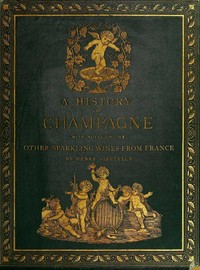
A History of Champagne, with Notes on the Other Sparkling Wines of France
Always visible content "A History of Champagne, with Notes on the Other Sparkling Wines of France" by Henry Vizetelly is a historical account written in the late 19th century. This work delves into the rich history and cultural significance of Champagne and other sparkling wines produced in France. It likely aims to illuminate the evolution of winemaking in the Champagne region, examining both its economic implications and the broader social context surrounding wine consumption. At Hidden checkbox to control the toggle Clickable label to show more The extra text that is initially hidden Clickable label to show less the start of the book, the author introduces his meticulous research into the history and practices of Champagne wine production, emphasizing his extensive field visits over the previous decade to vineyards and sparkling wine establishments in the region. He indicates that this volume represents the first comprehensive effort to document the history of any particular wine in such detail, informed by a wealth of firsthand experience and knowledge. The introduction also references previous works and sets the stage for a discussion that blends historical events, economic insights, and cultural anecdotes related to the illustrious Champagne wines that have captivated drinkers throughout history. (This is an automatically generated summary.)

Spons' Household Manual by E. & F. N. Spon
Always visible content "Spons' Household Manual" by E. & F. N. Spon is a comprehensive guide on domestic management and various household practices written in the late 19th century. The book serves as an extensive reference for housewives, covering a multitude of topics related to home management, from cooking and food preservation to household construction and sanitation. It aims to equip readers with the knowledge needed to run a household efficiently in an era when Hidden checkbox to control the toggle Clickable label to show more The extra text that is initially hidden Clickable label to show less such skills were of paramount importance. The opening of "Spons' Household Manual" presents the preface, which highlights the evolving role of the English housewife and the necessity for comprehensive domestic education amidst changing societal norms. It emphasizes that the modern housewife is required to master a broad range of skills to ensure the health and comfort of her household, stressing the importance of knowledge in areas such as sanitation, cooking, and home construction. This preface sets the stage for the ensuing chapters, which systematically tackle various aspects of home management, proposing that even if much of this information is previously documented, compiling it into a single accessible volume is invaluable for any householder. (This is an automatically generated summary.)
A guide to modern cookery by A. Escoffier
Always visible content "A guide to modern cookery" by A. Escoffier is a cookbook published in 1903. Originally titled "Le Guide Culinaire," it revolutionized French restaurant cuisine by streamlining Victorian excess while serving society's elite. Developed from Escoffier's work at London's Savoy and Paris's Ritz, the book presents over 5,000 recipes in brief, professional descriptions intended for training chefs. Its concise style assumes readers understand culinary fundamentals. Still used in culinary schools today, it remains Hidden checkbox to control the toggle Clickable label to show more The extra text that is initially hidden Clickable label to show less the definitive textbook of classical French cooking techniques. (This is an automatically generated summary.)