The Nutritional and Health Implications of Cheese: A Comprehensive Analysis
Introduction
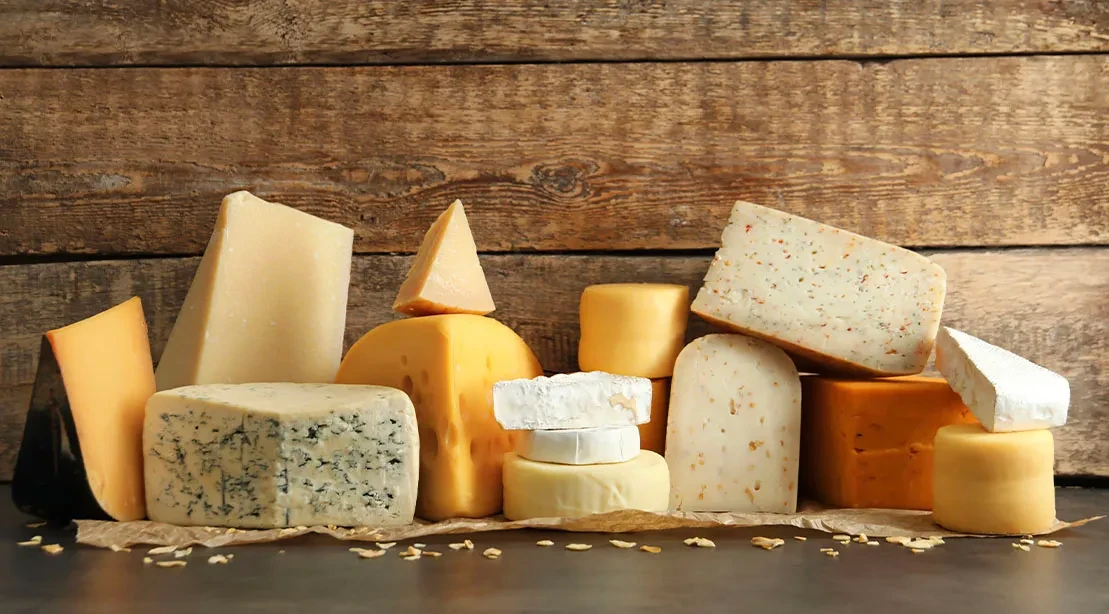
Cheese, celebrated for its creamy texture and global culinary significance, has long been a dietary staple. Pre-industrial societies relied on fermented dairy products like cheese to preserve nutritional content, and today, it remains a versatile ingredient across cultures. Despite its popularity, cheese often sparks dietary conflict: while it is perceived as an indulgence, it also offers protein, calcium, and B vitamins. This article examines the scientific evidence surrounding cheese consumption, addressing its nutritional profile, health impacts, and practical considerations for optimal intake.
Cheese: Cultural Significance and Dietary Tension
Cheese production and consumption have deep historical roots, with fermented dairy products enabling preservation and nutrient retention before refrigeration. Modern varieties range from mild to pungent, catering to diverse palates. However, the perception of cheese as a "sinful" indulgence persists, partly due to its association with high calorie, fat, and sodium content. This dichotomy creates a need for evidence-based guidance on its role in a balanced diet.
Cardiovascular Health: Reassessing Cheese’s Impact
Emerging research challenges the notion that cheese harms cardiovascular health. A meta-analysis of 15 studies published in the European Journal of Nutrition found that daily cheese consumption (1.5 ounces) correlated with a 10% lower risk of heart disease mortality compared to non-consumption. Mechanistically, full-fat cheese may mitigate cholesterol dysregulation: a six-week randomized trial showed that full-fat cheddar cheese did not increase small, dense LDL-cholesterol particles (a known cardiovascular risk marker) to the same extent as butter. This suggests that cheese’s nutritional matrix—including sphingolipids and other bioactive compounds—may confer protective effects against cardiovascular disease.
Microbiome and Digestive Health
Cheese production involves microbial fermentation, which introduces beneficial bacteria (e.g., Lactobacillus, Propionibacterium) into the final product. These microbes may positively influence the gut microbiome, potentially reducing symptoms of digestive disorders like irritable bowel disease. However, the extent of beneficial microbial transfer from cheese to the gut remains understudied, with yogurt often providing higher concentrations of probiotic strains.
Weight Management: Protein and Satiety Benefits
A 20-year prospective study of 120,877 adults published in the New England Journal of Medicine found no association between cheese consumption and weight gain or loss. This may be attributed to cheese’s protein and fat content, which enhance satiety and metabolic regulation. However, caution is advised with ultra-processed cheese products, which may contribute excess calories. Moderation is key to avoiding caloric surplus.
Muscle Development: Protein for Post-Workout Recovery
Cheese protein supports muscle protein synthesis (MPS), a critical process for lean muscle growth. A Journal of Nutrition study compared 30g protein from cheese versus milk protein concentrate post-resistance training: while milk protein had higher peak blood amino acids, MPS rates were equivalent. An ounce of cheese provides 6–8g of high-quality protein, making it a viable component of post-workout nutrition when paired with resistance training.
Lactose Digestion and Tolerance
Cheese production reduces lactose content, as bacterial fermentation and whey separation during curd processing remove most lactose. Harder cheeses (e.g., cheddar, provolone) contain minimal lactose, while soft varieties (e.g., cottage cheese, ricotta) retain higher levels. This makes cheese a feasible option for lactose-intolerant individuals, provided they select low-lactose varieties.
Ultra-Processed Cheese Products: Nutritional Pitfalls
Ultra-processed cheese products (e.g., American cheese slices, Velveeta) often contain additives like emulsifiers, cellulose, and modified starches, reducing nutritional density. These products may have as little as 51% cheese by weight, compared to 100% natural cheese. Opting for whole, unprocessed cheeses ensures greater nutrient retention and avoids unnecessary additives.
Sodium Intake: Moderation for Hypertensive Individuals
Certain cheeses (e.g., feta, Parmesan, cotija) are high in sodium. For those with hypertension or high-sodium diets, excessive cheese consumption may exacerbate sodium overload. However, moderate intake (1–2 ounces daily) paired with low-sodium whole foods is generally safe for most individuals.
Practical Recommendations for Optimal Cheese Consumption
Portion Control: Most adults should limit daily cheese to 2 ounces (≈200 calories, 10–12g saturated fat) to balance satiety and calorie needs.
Quality Selection: Prioritize natural cheeses over "cheese product" labels, avoiding additives and mystery flavorings.
Fat Content: Full-fat cheeses provide greater satiety and nutrients; part-skim options (e.g., skim mozzarella, ricotta) may suit calorie-conscious diets.
Pairing Strategy: Use cheese as a flavor enhancer for nutrient-dense foods (e.g., grilled vegetables, lean proteins) rather than standalone indulgences.
Conclusion
Cheese is not a dietary villain when consumed mindfully. Its nutritional benefits—protein, calcium, and probiotic potential—outweigh risks when paired with moderation and quality selection. By avoiding ultra-processed varieties and controlling portions, cheese can be integrated into a balanced diet, supporting muscle growth, satiety, and overall health.
Cheese Tidbits:
Harder cheeses (e.g., cheddar) have lower lactose and saturated fat per serving than soft cheeses (e.g., Brie).
Vitamin K2, critical for cardiovascular health, forms during cheese fermentation.
Weigh portions initially to avoid portion distortion; 2 ounces ≈ 1 palm-sized slice.
Note: Always consult a healthcare provider for personalized dietary advice, especially for conditions like hypertension or lactose intolerance.
The Nutritional and Health Implications of Cheese: A Comprehensive Analysis
Share this article: