28-Day Lean Meal Plan: Foundations for Effective Fat Loss
With the right plan and disciplined execution, achieving significant body recomposition within 28 days is feasible.
1. Introduction: Plant-Based Alternatives and Health Perceptions
Plant-based foods are increasingly recognized for their heart-healthy properties, including the provision of vitamins and antioxidants. However, animal products have traditionally been associated with elevated cholesterol levels, a concern that has led some to consider substituting meat with plant-based alternatives. Yet, a recent study challenges the notion that such substitutions inherently confer superior health outcomes.
2. Study Design: Comparing Meat and Plant-Based Diets
A randomized controlled trial conducted in Singapore enrolled participants who followed either a meat-based diet or a plant-based alternative diet (e.g., veggie burgers) for an 8-week period. Baseline measurements included cholesterol profiles and blood pressure, with subsequent analysis focusing on statistical differences in cardiovascular health and Type 2 diabetes risk factors between the two groups.
3. Key Findings: Cholesterol, Glucose, and Blood Pressure
Notably, cholesterol profiles did not exhibit statistically significant differences between the meat-consuming and plant-based alternative-consuming groups. However, participants consuming meat demonstrated more stable blood glucose levels, and meat-eaters showed marginally improved blood pressure. These observations may be attributed to differences in protein synthesis and bioavailability: plant-based alternatives generally have lower protein digestibility and absorption compared to animal products. Additionally, the processing required to transform plant materials into palatable substitutes may reduce their nutrient density.
4. Nutritional Considerations for Ultra-Processed Alternatives
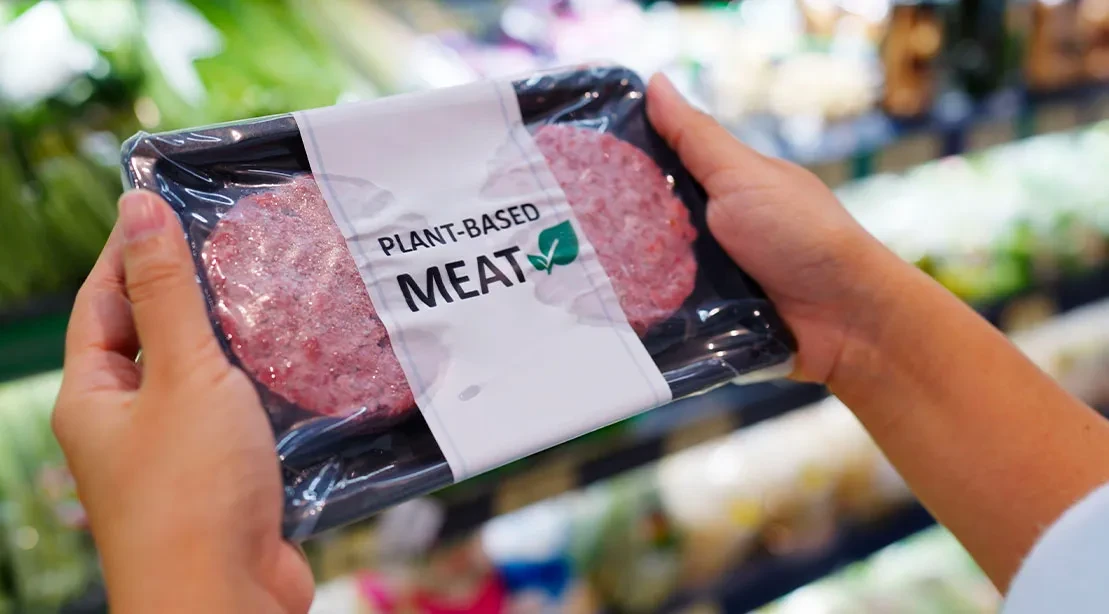
Ultra-processed plant-based alternatives, despite their marketing as "healthier," frequently lack the nutritional superiority of whole-food counterparts. Similar to processed meats, plant-based meat alternatives (PBMA) often contain elevated sodium and fat content, and in some cases, higher carbohydrate levels, leading to increased calorie intake. While increasing plant consumption is generally advisable, existing research underscores the continued importance of a balanced diet that includes meat, driven by factors such as brain health and other physiological requirements.
5. Practical Takeaway: Label Scrutiny for Informed Choices
The critical conclusion: Always scrutinize product labels to ensure that substituting a meat-based burger with a plant-based alternative does not result in a nutritionally inferior or less health-promoting option.
28-Day Lean Meal Plan: Foundations for Effective Fat Loss
Share this article: