28-Day Lean Meal Plan: Navigating Hunger vs. Cravings for Sustainable Results
Achieving significant fat loss in 28 days requires a well-structured plan paired with unwavering discipline. While controlling caloric intake is mathematically straightforward, adhering to the plan amid persistent hunger challenges remains a critical hurdle. A key distinction—between genuine hunger and food cravings—proves pivotal for long-term weight management and muscle preservation. Nutritionist Alan Aragon, a leading evidence-based fitness expert with a Master’s degree in Human Nutrition, clarifies this difference and offers actionable strategies to overcome cravings.
Hunger vs. Cravings: Key Distinctions
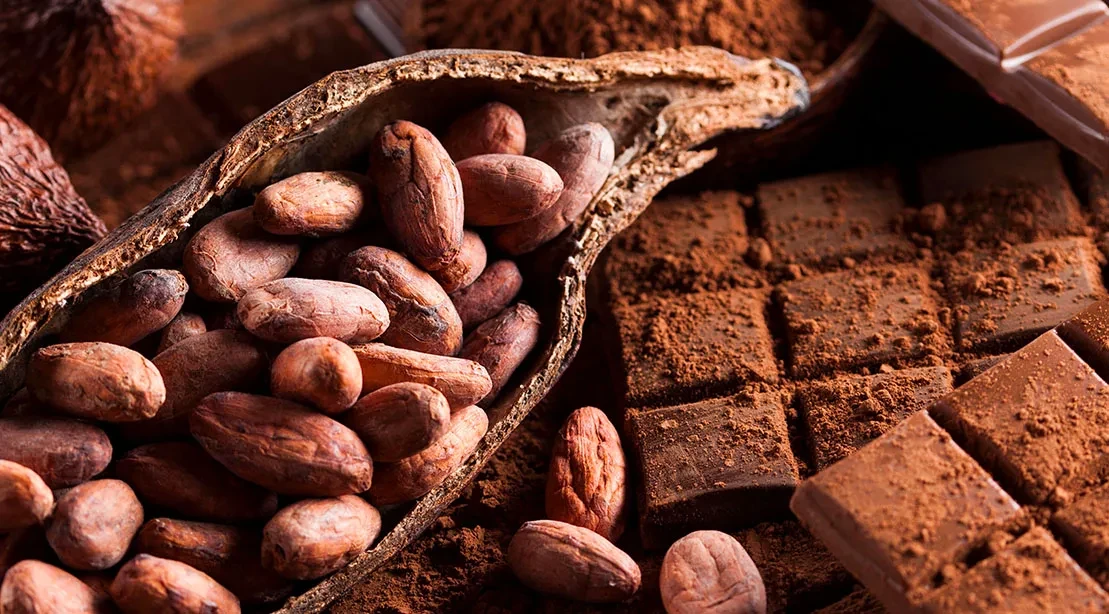
Aragon emphasizes that hunger and cravings are not interchangeable. "Food hunger and cravings are fundamentally distinct," he explains. "Hunger is a physiological drive to consume calories, which can be satisfied by nearly any food to fill the stomach. Cravings, however, are highly specific—they target particular food types, such as sweet desserts, savory snacks, or greasy, crunchy items."
Crucially, hunger stems from biological needs (e.g., energy deficit), while cravings are psychological responses rooted in learned associations. Aragon notes that cravings rarely arise from nutritional deficiencies, meaning indulging them rarely supports fitness or weight loss goals.
Why Do Cravings Occur?
Cravings are triggered by conditioned responses to environmental cues that reinforce positive emotions linked to specific foods. For example, mindlessly eating while watching a favorite show creates a habitual association between the activity and the food. Aragon warns that self-deprivation exacerbates cravings: "Avoiding comforting foods entirely backfires, as it often leads to rebound cravings later." This explains why many regain weight post-diet—they lose the battle with cravings, not hunger.
Three Strategies to Manage Cravings
Rather than suppressing cravings, Aragon advocates proactive management to foster a healthier relationship with food. Here are three science-backed steps:
- Prioritize High-Satiety Nutrition
Design meals rich in protein and fiber, as these nutrients prolong satiety. Opt for whole, minimally processed foods to satisfy appetite while aligning with weight management goals. "Protein and fiber slow digestion, reducing the likelihood of rapid hunger spikes," Aragon advises.
- Strategic Food Swaps
Identify frequently craved foods and substitute them with healthier alternatives. For example, replace sugary treats with dates (a natural sweetener) or seek lower-calorie versions of indulgent snacks. This approach avoids deprivation while maintaining dietary compliance.
- Moderation Over Abstinence
Completely avoiding cravings-triggering foods may backfire. Instead, practice controlled consumption: "Allow occasional indulgence but limit frequency to avoid derailing progress," Aragon suggests. Moderation preserves psychological well-being and prevents cravings from escalating into bingeing.
Conclusion
Sustaining a 28-day lean meal plan hinges on managing, not eliminating, cravings. By distinguishing hunger from psychological urges, prioritizing nutrient-dense meals, and practicing mindful indulgence, individuals can build resilience against cravings while advancing toward fitness goals. As Aragon concludes: "The goal is not to stamp out cravings but to develop a balanced approach to their management."
For deeper insights, follow Alan Aragon on Instagram for evidence-based nutrition guidance.
28-Day Lean Meal Plan: Navigating Hunger vs. Cravings for Sustainable Results

Share this article: