28-Days-to-Lean Meal Plan
Achieving significant physical transformation in 28 days demands a strategic meal plan, but true wellness extends beyond diet—it requires reconciling nutritional goals with environmental responsibility. Consider the dilemma: beloved indulgences like chocolate often conflict with health aspirations, yet science suggests a solution lies in leveraging the cocoa fruit’s full potential. This article explores how innovative technology is redefining chocolate production to reduce guilt while advancing planetary health.
28-Day Lean Nutrition: A Paradigm Shift in Sustainable Chocolate
A landmark report from ETH Zurich, published in Nature Food, outlines a novel application of cocoa-fruit jelly as a sugar substitute, delivering dual benefits: enhanced nutritional profiles and reduced environmental impact. The research, conducted in collaboration with industry stakeholders, addresses the chocolate industry’s longstanding challenge of balancing indulgence with health and sustainability.
Collaborative Development and Technological Innovation
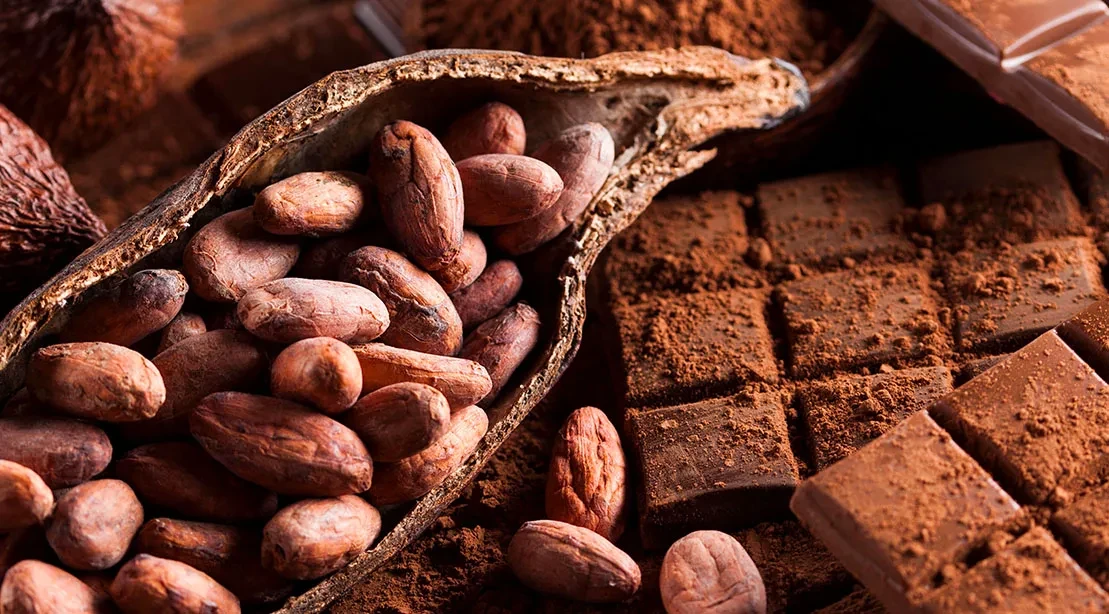
ETH Zurich partnered with key industry players: Koa (a sustainable cultivation startup) and Felchlin (a chocolate manufacturer), to pioneer a revolutionary chocolate formulation. Unlike traditional chocolate production, which exclusively utilizes cocoa beans, this innovation incorporates the entire cocoa fruit—crushing the shell into a powder and blending it with the pulp to create a naturally sweet, jelly-like substance. This whole-fruit approach effectively replaces powdered sugar in confectionery, leveraging the fruit’s inherent sweetness.
Nutritional Superiority Over Traditional Dark Chocolate
Nutritional analysis reveals striking improvements: cocoa-fruit gel confectionery exhibits 15g of dietary fiber per 100g—3g more than traditional dark chocolate (12g/100g)—and a 30% reduction in saturated fat (23g vs. 33g per 100g). These metrics position the novel formulation as a healthier alternative without compromising taste.
Environmental and Economic Sustainability
Beyond nutrition, the innovation advances sustainability by:
Maximizing cocoa fruit utilization (shell and pulp), reducing reliance on sugar and minimizing food waste (a critical global concern amid environmental degradation).
Expanding the value of cocoa crops, thereby supporting smallholder farmers through diversified income streams and reducing pressure on sugar supply chains.
The report emphasizes: “Whole-fruit chocolate formulations exemplify synergy between technology, nutrition, environmental impact, and farmer livelihoods, offering a blueprint for holistic improvement of the cocoa value chain.”
Patent Protection and Market Potential
ETH Zurich has filed a patent for the formulation, ensuring exclusive rights to commercialize this breakthrough. This development positions the healthier chocolate as a viable, scalable solution for health-conscious consumers and industry stakeholders alike.
Note: The integration of cocoa-fruit jelly into chocolate production represents a pivotal step toward balancing individual health goals with planetary sustainability, marking a promising evolution in food technology.
28-Days-to-Lean Meal Plan
Share this article: