28-Day Lean Meal Plan: Strategic Protein Intake in the Era of Fortified Foods
Introduction: The Protein Revolution
The contemporary nutritional landscape has witnessed an unprecedented surge in consumer focus on dietary protein, with widespread acclaim for its role in muscle growth, appetite regulation, bone strength, and immune function. This heightened interest has spurred innovation in the food industry, leading to the proliferation of protein-enriched products across categories—from breakfast cereals and baked goods to beverages and snacks. While these fortified items promise convenience, their nutritional value and efficacy require critical evaluation.
The Case for Whole, Unprocessed Protein Sources
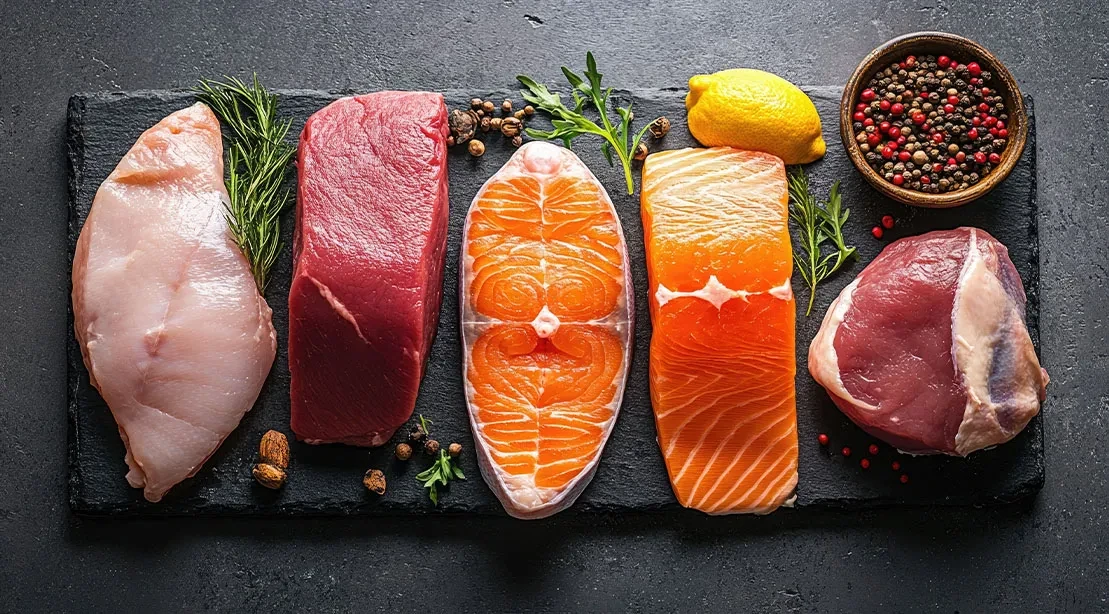
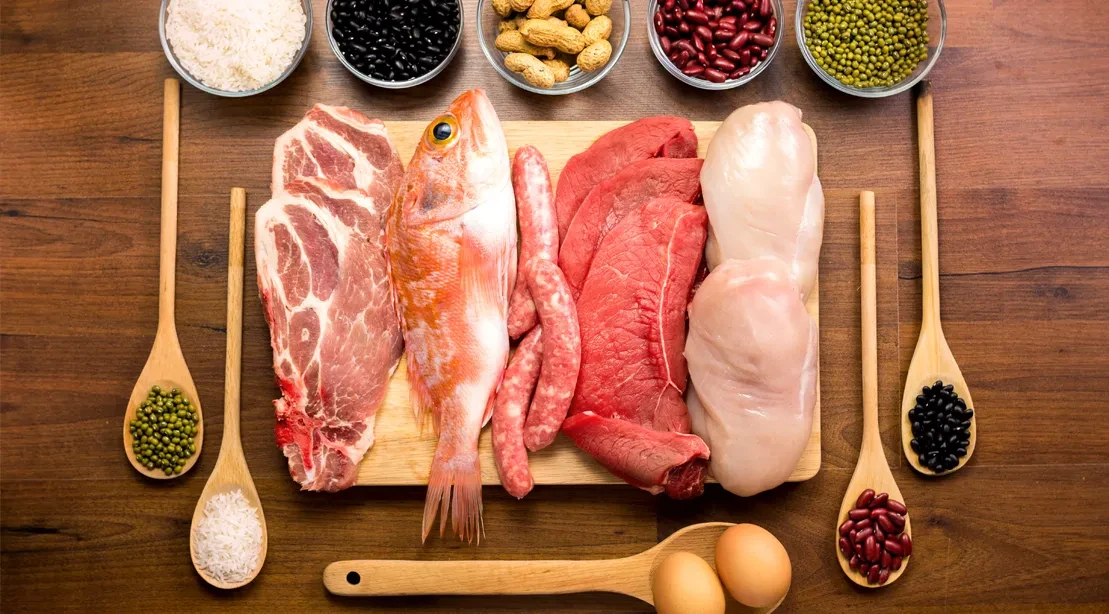
Despite the convenience of protein-enriched products, not all fortified foods deliver optimal nutritional benefits. A critical distinction exists between naturally protein-dense whole foods (e.g., chicken, eggs, fish, tofu, Greek yogurt) and processed protein-fortified alternatives. Extensive research underscores that whole proteins retain superior bioavailability and digestibility, making them more effective for muscle recovery and growth. For instance, a 2023 analysis of 1,641 protein bars published in Scientific Reports found that processed protein sources (e.g., whey isolates, soy) often lose nutritional value during processing, with reduced digestibility due to additives like fibers and carbohydrates that interfere with amino acid absorption.
Protein Intake Guidelines for Active Individuals
Active individuals aiming to build lean body mass should prioritize a protein intake of 1.6–2.0 grams per kilogram of body weight (e.g., 130–163 grams daily for an 82 kg [180 lb] individual). This target is achievable through whole-food consumption without the need for premium fortified products. Incorporating protein-dense staples like chicken breast (≈45g protein/150g), Greek yogurt (≈15g protein/200g), or tofu (≈17g protein/100g) into meals and snacks, combined with strategic protein powder supplementation, can effectively meet requirements at a fraction of the cost of fortified equivalents.
Navigating Fortified Protein Products: Key Considerations
While fortified foods offer convenience, they often come with trade-offs. A common pitfall is hidden nutritional drawbacks: excessive added sugars, refined grains, unhealthy fats, or sodium, which negate the benefits of increased protein. For example, certain "high-protein" cereals may prioritize sugar over protein, while protein pretzels often rely on low-nutrient ingredients. To avoid these pitfalls, consumers should:
Scrutinize ingredient labels for excessive additives, sugars, or sodium.
Verify protein content per serving; a valid "high-protein" product should provide at least 8–10 grams of protein.
Prioritize whole-food alternatives when possible, as they offer balanced nutrition without artificial components.
Examples of Nutritionally Sound Protein-Fortified Foods
Not all fortified products compromise on quality. Below are examples of protein-enriched foods that balance convenience with nutritional integrity:
1. Overnight Muesli-Oatmeal Hybrid
Nutrition (1 pouch): 340 calories, 10g fat, 49g carbs, 11g fiber, 20g protein, 240mg sodium
This ready-to-eat option combines plant-based protein (20g) with chia seeds for fiber (11g) and probiotics to support gut health. Minimal added sugar (from dried fruit) ensures balanced sweetness, making it ideal for post-workout recovery.
2. Whey Protein-Enriched Greek Yogurt
Nutrition (¾ cup): 160 calories, 3.5g fat, 6g carbs, 0g fiber, 25g protein, 60mg sodium
Fortified with whey protein, this yogurt exceeds traditional Greek yogurt in protein content (25g/serving) without artificial thickeners or added sugars. Its creamy texture and tangy flavor support muscle repair.
3. Protein-Packed Whole-Grain Bread
Nutrition (2 slices): 160 calories, 4.5g fat, 22g carbs, 19g fiber, 22g protein, 430mg sodium
Made with milk protein isolate and whey protein concentrate, this bread delivers 22g protein per serving with 19g fiber and no refined grains or added sugar. The high fiber content supports satiety, though gradual introduction is recommended for sensitive digestion.
4. Red Lentil Protein Pasta
Nutrition (3.5 oz): 340 calories, 1.5g fat, 65g carbs, 12g fiber, 26g protein, 0mg sodium
Crafted from organic red lentil flour, this pasta offers 26g protein and 12g fiber per serving, surpassing traditional wheat pasta in nutritional density. Its texture remains intact when prepared as directed, making it a versatile option for elevated pasta dishes.
Conclusion: Balancing Convenience and Nutrition
Protein-enriched foods can simplify dietary adherence, but they are not essential for meeting protein targets. By prioritizing whole, unprocessed protein sources and leveraging strategic supplementation, individuals can achieve lean muscle growth without overspending on fortified products. The key is to align daily protein intake with individual needs (1.6–2.0g/kg body weight) and critically evaluate fortified options based on nutritional balance, not just protein content.
28-Day Lean Meal Plan: Strategic Protein Intake in the Era of Fortified Foods

Share this article: