28-Days-to-Lean Meal Plan: Navigating Ultra-Processed Foods for Health & Fitness
With the right strategy and discipline, achieving significant fitness results in 28 days is achievable. However, a critical challenge lies in the prevalence of ultra-processed foods in modern diets. As Julie Ruelle, RDN, LDN, and registered dietitian with GoCoCo, notes: "Over 70% of products in grocery stores are ultra-processed foods. They are ubiquitous across all food categories and notably challenging to avoid."
The Escalation of Ultra-Processed Foods and Health Risks
Since the 1980s, the shift from unprocessed or minimally processed foods to ultra-processed alternatives has coincided with a dramatic increase in chronic diseases. While "processed food" has historically been blamed, Ruelle clarifies that the true culprit is ultra-processed foods—a distinction often overlooked.
Defining Processed vs. Ultra-Processed Foods
Processed Foods: These retain recognizable elements of their original form (e.g., fruits, vegetables, meat) but undergo controlled processing (e.g., cutting, freezing, or adding common kitchen ingredients like salt or sugar). Examples include canned fish, frozen vegetables, bakery bread, and yogurt—these are not contraindicated.
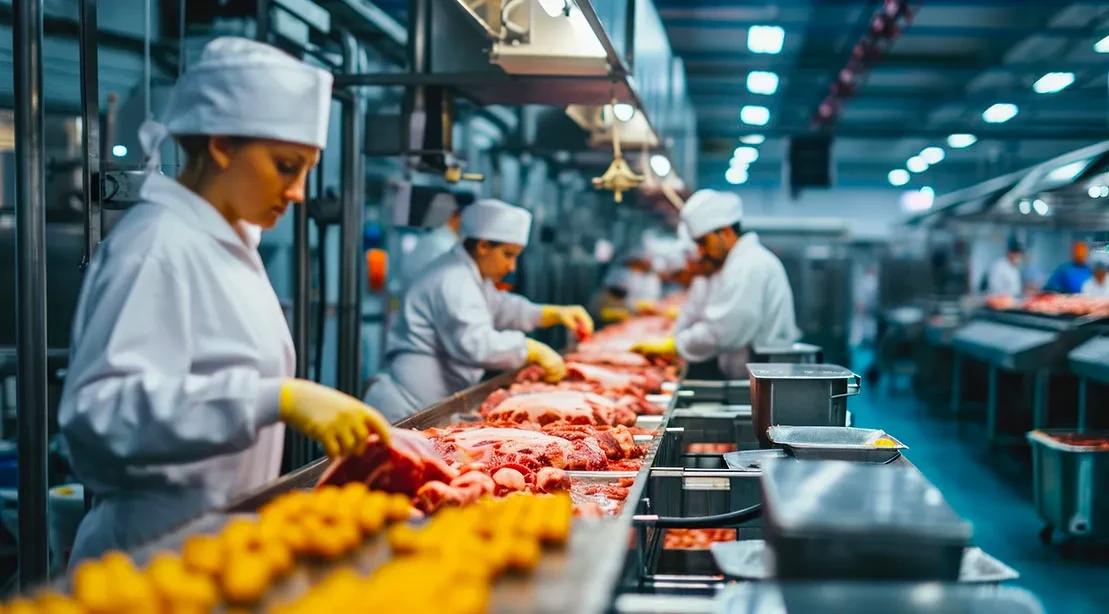
Ultra-Processed Foods: Industrially manufactured products with low nutritional value, typically containing additives (e.g., artificial colors, flavors) not found in home kitchens. They rely on few real food ingredients, prioritizing cost-effectiveness, palatability, and addiction.
Health Impacts of Ultra-Processed Foods
Ruelle emphasizes: "Research links ultra-processed foods to 32 distinct health conditions, including obesity, cardiovascular disease, cancer, diabetes, and emerging associations with mental health disorders like depression and anxiety—a perfect dietary storm."
Strategies to Reduce Ultra-Processed Food Consumption
Ruelle advocates for gradual, sustainable changes rather than abrupt overhauls:
Plan Shopping: Use structured lists and leverage tools like GoCoCo’s in-app feature to curate healthier options by category.
Add Whole Foods: Prioritize nutrient-dense additions (e.g., fresh fruit with dessert, a salad before meals) to enhance whole-food intake.
Swap Sugary Drinks: Replace sugary beverages with sparkling water, infused water, or tea. Reducing sugar over three weeks allows taste buds to adapt, reducing cravings.
Stock Smart Snacks: Keep unsweetened, unsalted dried fruits for hunger management.
Mindful Eating: Savor meals without rushing, turning food into a social and sensory experience.
The GoCoCo App: A Tool for Informed Choices
For label-weary consumers, GoCoCo simplifies identification of ultra-processed foods: "With a single barcode scan, foods are scored 1–10 based on nutritional composition (sodium, calories, saturated fat, added sugar) and ultra-processing intensity, with suggestions for healthier alternatives." The app also provides science-backed recipes, articles, and dietitian-reviewed insights.
Final Perspective
Ruelle acknowledges occasional indulgence is acceptable: "Food should be a source of pleasure. A balanced diet rich in whole, unprocessed foods allows for moderate enjoyment of ultra-processed items without compromising health goals."
By prioritizing awareness, leveraging tools, and focusing on gradual swaps, individuals can mitigate the impact of ultra-processed foods and optimize their 28-day health and fitness journey.
28-Days-to-Lean Meal Plan: Navigating Ultra-Processed Foods for Health & Fitness
Share this article: