28-Day Lean Transformation Meal Plan
A structured 28-day dietary regimen, combined with disciplined adherence, can facilitate significant body composition changes, enabling individuals to achieve a shredded physique efficiently.
Air Protein: The Paradigm Shift in Muscle-Building Nutrition
While short-term dietary optimization via a 28-day plan focuses on immediate metabolic adaptation, a revolutionary protein source has emerged to redefine long-term nutritional sustainability. The "air protein" concept, exemplified by Solein (developed by Solar Foods), transcends traditional plant/animal protein limitations, positioning itself as a transformative muscle-supporting fuel. Far from science fiction, Solein is gaining traction as a viable solution to global protein production challenges.
Core Properties of Solein
Solein, branded by Solar Foods as "protein from thin air," is a novel, non-animal, non-plant protein derived through advanced fermentation technology. Key attributes include:
Nutritional Completeness: Delivers all nine essential amino acids, iron, and bioavailable minerals, addressing nutritional gaps in low-meat or plant-based diets.
Dietary Inclusivity: Gluten-free, 100% vegan, and culturally neutral, ensuring universal accessibility across religious and dietary preferences.
Metabolic Benefits: Mimics plant-based nutrition with unsaturated fatty acids and reduced cholesterol compared to animal-derived proteins, aligning with modern wellness trends.
Technological Foundation: Fermentation from "Air and Electricity"
Developed in 2021, Solein is produced at Solar Foods’ dedicated "Factory 01" using a gas fermentation process analogous to beer brewing—yet with a distinct feedstock. Unlike beer, which relies on sugars and starches, Solein utilizes carbon dioxide (CO₂), nitrogen, hydrogen, and minerals as raw materials. Hydrogen is generated by splitting atmospheric water molecules, creating a closed-loop system that minimizes environmental impact.
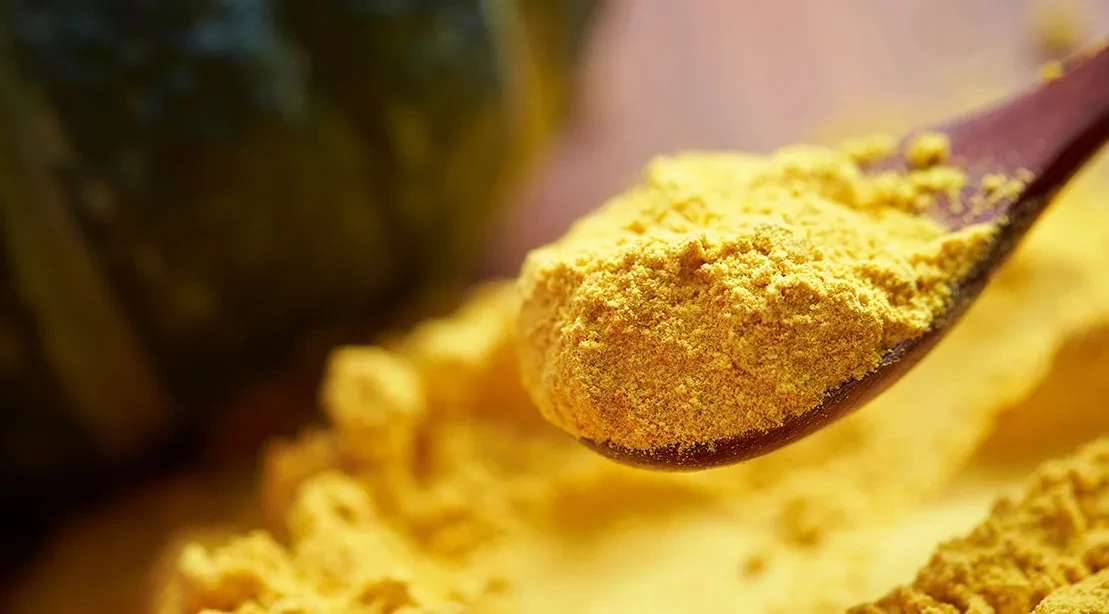
The process yields a natural, unmodified single-cell organism, processed into a fine powder for seamless integration into diverse food and beverage formulations.
Environmental and Sustainability Impact
Solein addresses critical challenges in conventional protein production:
Carbon Footprint Reduction: Its manufacturing process emits far fewer greenhouse gases than livestock rearing or plant-based protein cultivation.
Animal Welfare: Eliminates the need for animal slaughter, directly mitigating methane emissions—a primary driver of global warming and aquatic ecosystem degradation.
Resource Efficiency: By relying on atmospheric CO₂ and water, Solein reduces reliance on arable land and freshwater, critical for sustainable food systems.
Safety and Regulatory Landscape
While promising, commercialization faces hurdles:
Safety Research: Ongoing studies evaluate the handling of hydrogen (a highly reactive gas) and long-term food safety, with comprehensive toxicological assessments in progress.
Market Approval: Solein has received regulatory clearance in Singapore, but key markets (e.g., USA, UK) remain pending evaluation, reflecting its nascent global adoption.
Future Outlook
The global protein sector stands at a crossroads, with the UN and environmental advocates urging a reevaluation of conventional production methods. Solein, as a CO₂-driven, plant-animal-free protein, offers a bridge between nutritional adequacy and ecological sustainability. While early-stage, its potential to revolutionize muscle-building nutrition positions it as a leading candidate for the future of protein consumption.
Conclusion: The 28-day lean meal plan underscores short-term dietary precision, while Solein represents a long-term solution to sustainable protein production. Together, these innovations highlight the evolving intersection of nutrition, technology, and environmental stewardship.
28-Day Lean Transformation Meal Plan
Share this article: