28-Day Lean Meal Plan: Nutritious Canned Foods for Rapid Dietary Enhancement
In a perfect culinary world, meals would be prepared from scratch using only the freshest ingredients. However, the realities of modern life often limit time, energy, and budget, making such practices impractical. Fresh produce like vegetables and fish can be prohibitively expensive, and their freshness may not always align with expectations. Enter canned foods—a strategic tool to streamline meal preparation while maintaining nutritional value.
Contrary to the misconception that canned foods are nutritionally inferior or flavorless, they often offer a viable alternative. Research supports this: a study in Nutrients found that individuals consuming six or more canned items weekly had higher intakes of 17 essential nutrients compared to those with fewer. Canned options like beans, fish, and chicken provide affordable protein, while their extended shelf life minimizes food waste and reduces costs. Here, we highlight five canned foods to integrate into your 28-day plan for a rapid nutritional boost.
1. Canned Oysters: A Nutrient-Dense Powerhouse
Canned oysters are a surprisingly rich source of nutrition, eliminating the need for shucking and reducing finger injury risk. Each serving delivers substantial protein to support muscle growth, along with vitamin B12 (exceeding daily requirements), copper, immune-boosting zinc, and selenium—a mineral linked to reduced prostate cancer risk in men. Notably, canned oysters contain more iron than beef, critical for hemoglobin synthesis (oxygen transport in red blood cells), preventing fatigue and cognitive decline.
Caveat: Water-soluble nutrients (e.g., vitamin C, B vitamins) may leach into the canning liquid. To maximize absorption, consume the residual liquid, as it retains these compounds.
Usage: Incorporate into soups, pasta, salads, or enjoy directly as a high-protein snack.
2. Chipotle Peppers in Adobo: Flavor and Health Synergy
Smoked and dried jalapeños rehydrated and canned in a tangy tomato-vinegar base, chipotles in adobo offer intense smoky heat with minimal calories. A 2020 analysis of four observational studies in The American Journal of Preventive Cardiology linked regular chili consumption to reduced all-cause, cardiovascular, and cancer-related mortality, attributed to capsaicin—a compound with cardio-protective and anti-tumorigenic properties. Additionally, capsaicin may modulate gut microbiota for metabolic health.
Usage: Elevate soups, chili, sauces, marinades, or guacamole. Purée with adobo sauce and mix into yogurt or sour cream for tacos/burgers. Freeze leftover purée in ice cubes for future use; opened cans retain quality for 3–4 months refrigerated.
3. Canned Pumpkin Purée: Beta-Carotene for Holistic Health
Beyond holiday pies, canned pumpkin purée is a versatile source of plant-based beta-carotene, which converts to vitamin A—supporting eye, immune, and bone health. A 2019 study in The European Journal of Nutrition associated higher carotenoid levels (including beta-carotene) with longer telomeres (shorter telomeres correlate with aging), indicating potential biological age reduction. A 2023 Clinical Nutrition study further linked elevated blood carotenes to reduced arterial plaque, lowering heart disease risk. Rich in vitamin K (bone health) and natural sweetness, it replaces added sugars.
Usage: Add to chili, pancake/waffle batter, yogurt, or oatmeal. Blend into protein shakes or try pumpkin hummus for a novel dip.
4. Canned Beans (Black, Kidney, etc.): Fiber and Micronutrient-Rich Staples
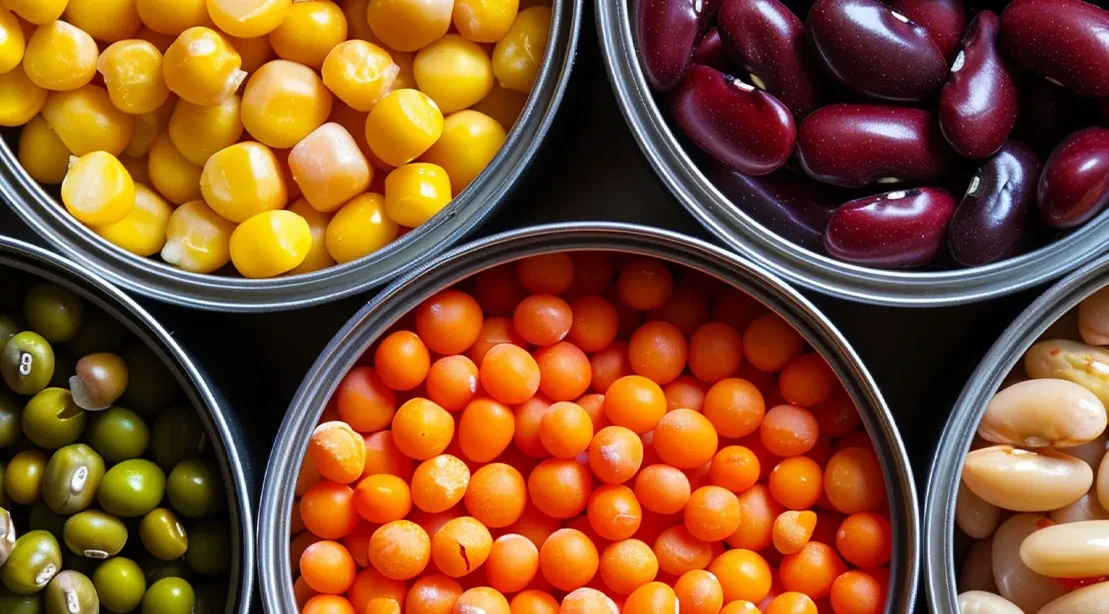
Canned beans (black, kidney, etc.) rival a multi-vitamin, offering iron, folate, magnesium, phosphorus, and fiber (up to 15g per cup). A 2021 Journal of Nutrition study showed daily consumption lowers cholesterol, while fiber improves blood sugar control and satiety. Black beans, in particular, provide anthocyanins—antioxidants linked to lifespan extension (similar to blueberries).
Pro Tip: Drain and rinse canned beans to reduce gas-causing compounds and sodium.
Usage: Integrate into soups, chili, tacos, salads, or veggie burgers. Blend into dips or pair with eggs for a nutrient-dense breakfast.
5. Canned Tomatoes: Lycopene for Cognitive and Cardiovascular Health
Canned tomatoes (crushed varieties) are rich in lycopene, a carotenoid that may protect against age-related cognitive decline and prostate cancer. Processing enhances lycopene bioavailability, maximizing absorption. They also provide vitamin C, supporting blood pressure regulation, and deliver year-round tomato flavor (superior to out-of-season produce).
Usage: Use in pasta sauces, stews, curries, or tomato soup. Pair with chipotle purée for a spicy red sauce to poach fish.
Conclusion
Canned foods are not just convenient—they are nutritionally robust, economical, and adaptable. By incorporating these five options into your 28-day meal plan, you can enhance dietary quality, support muscle growth, and reduce disease risk while simplifying meal prep. Embrace the can as a dietary ally, and unlock nutrition without compromise.
28-Day Lean Meal Plan: Nutritious Canned Foods for Rapid Dietary Enhancement
Share this article: