28-Day Lean Meal Plan: Grilling Beyond the Ordinary for Muscle & Nutrition
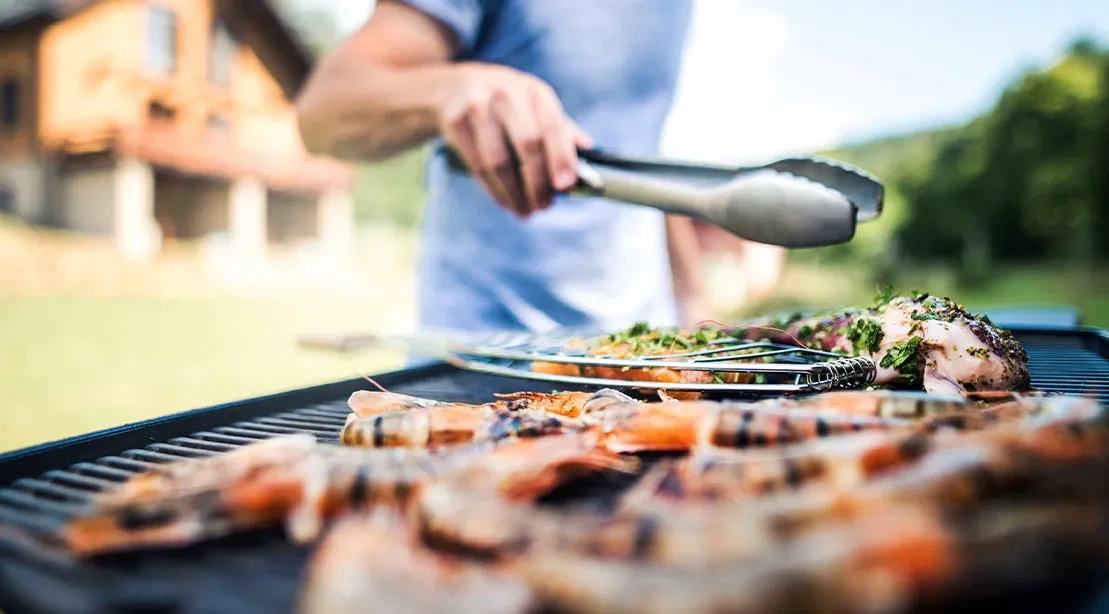
With a strategic 28-day plan and disciplined adherence, achieving significant leanness is achievable. Central to this journey is leveraging grilling—a technique that elevates flavor while minimizing unnecessary calories. A long-held culinary principle posits that nearly any edible can be grilled; however, this potential is often underutilized when embracing outdoor cookery, as many limit grilling to conventional proteins like burgers and sausages. To unlock the full potential of your grill, consider these four muscle-building alternatives that prioritize nutrition, texture, and flavor, transforming your summer meals while supporting lean muscle development.
1. Tofu: Plant-Based Protein Powerhouse
For those seeking plant-derived muscle support, tofu emerges as a versatile, nutrient-dense option. When grilled properly, tofu achieves a satisfying "meaty" texture with smoky charring, while retaining substantial protein content (approximately 20g per half package of extra-firm tofu). Scientific evidence indicates soy protein supports muscle growth and may enhance longevity by mitigating cardiovascular disease and other major health risks. Additionally, tofu supplies essential minerals (e.g., magnesium chloride, or nigari, and calcium sulfate) depending on production methods, further augmenting its nutritional profile.
Preparation Protocol:
Tofu Selection: Opt for extra-firm tofu to maintain structural integrity during grilling; softer varieties (e.g., silken) will disintegrate.
Moisture Reduction: Drain tofu and press gently between paper towels to remove excess water, ensuring optimal flavor absorption and crispiness.
Seasoning: Brush both sides with oil and season with salt, pepper, or flavor enhancers like curry powder or za’atar. Marinating for 2–4 hours (like meat) is also recommended for deeper flavor.
Grilling: Preheat the grill to medium-high heat. Cook tofu slabs (sliced widthwise into 2–3cm thick pieces) for 4 minutes per side, rotating 90° halfway through to achieve cross-hatch grill marks. Aim for golden-brown exterior and internal firmness.
2. Mussels: Nutrient-Dense Seafood
Mussels offer a briny, protein-rich alternative to traditional grilled proteins, with minimal effort and maximal nutritional returns. These shellfish cook rapidly (4–6 minutes) over open flame, avoiding kitchen smoke while delivering high-quality protein, heart-healthy omega-3 fatty acids, and key micronutrients (selenium, vitamin B12, iron). Their affordability and ease of preparation make them ideal for lean meal plans.
Preparation Protocol:
Cleaning: Soak mussels in cold water for 15 minutes to expel sand; discard any unopened shells post-cooking.
Grilling Methods:
Grill Basket: Use a high-sided grill basket to prevent shellfish from falling through grates. Cook for 4–6 minutes over medium-high heat until shells pop open.
Skillet Alternative: Sauté in a cast iron skillet with ½ cup white wine, covered with foil to steam.
Finishing: Transfer to a bowl, discard unopened shells, and finish with lemon juice and fresh parsley for brightness.
3. Halloumi: Heat-Resistant Cheese with Protein Density
Halloumi, a semi-hard cheese originating from Cyprus (traditionally made with sheep and goat milk), is uniquely suited for grilling. Its heat stability allows it to develop crispy exterior while maintaining a velvety interior, making it a post-workout staple. Nutritionally, 6 oz of halloumi provides approximately 24g of protein—comparable to chicken breast but more concentrated in muscle-building macros. Its natural saltiness pairs exceptionally well with savory toppings.
Preparation Protocol:
Slicing: Cut a block into 1–2cm thick slabs (or 1-inch cubes for skewering).
Prep: Brush with oil and season lightly (salt, pepper, or herbs like oregano). For extra crispiness, heat the grill grate to prevent sticking.
Grilling: Cook 1–2 minutes per side over medium heat until golden grill marks appear.
Serving: Add to salads, stuff into warm pitas with tzatziki, or use as a substitute for traditional burger patties.
4. Pork Tenderloin: Lean Cuts for Lean Results
Often overlooked, pork tenderloin is a lean protein powerhouse ideal for grilling. Derived from the pig’s loin, this cut offers 24g of protein per 4 oz serving with only 1g of saturated fat—a ratio unmatched by many lean meats. It also provides zinc, selenium, and vitamin B12, supporting immune function and muscle repair.
Preparation Protocol:
Indirect Grilling: Preheat the grill to high, then reduce heat to medium (turn off one burner for indirect cooking).
Seasoning: Marinate in herbs, garlic, or citrus for 2–4 hours (optional) for enhanced flavor.
Cooking: Place seasoned tenderloin over indirect heat, cook 30–35 minutes (turning halfway) until an internal temperature of 145°F is reached (via instant-read thermometer).
Resting: Remove from heat, cover loosely with foil, and rest for 10 minutes to retain juices before slicing.
Conclusion
Integrating these four grilled alternatives into your 28-day meal plan maximizes flavor, minimizes calorie density, and supports muscle growth while promoting overall health. By prioritizing plant-based proteins, nutrient-dense seafood, heat-stable cheeses, and lean pork, you transform grilling from a routine to a strategic tool for lean transformation. Embrace the smoky charring, elevate nutrition, and redefine your relationship with summer meals.
28-Day Lean Meal Plan: Grilling Beyond the Ordinary for Muscle & Nutrition
Share this article: