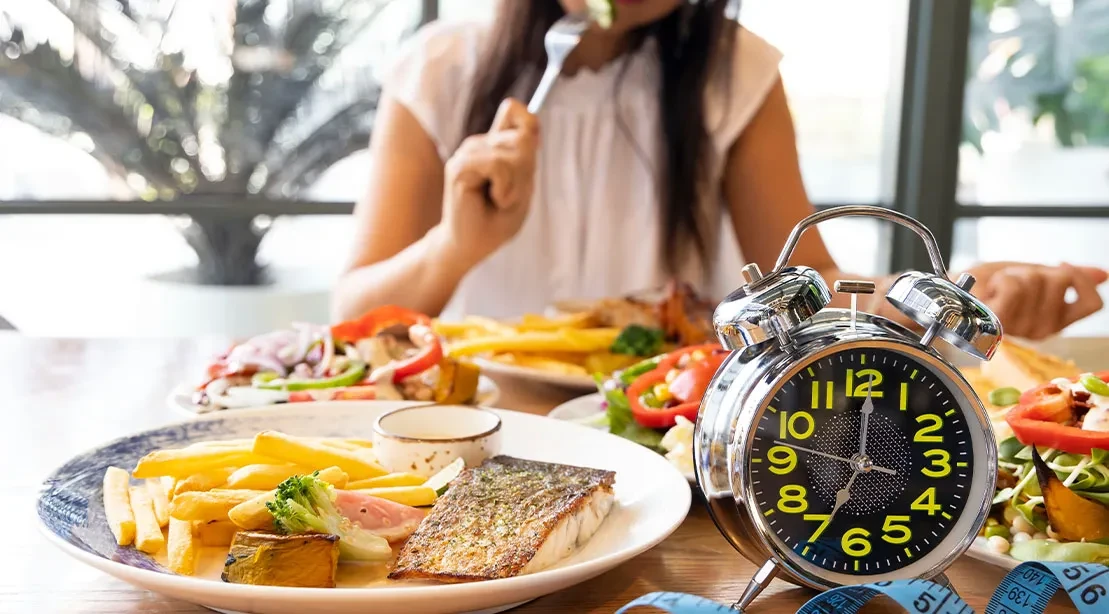
28-Day Lean Meal Plan: A Structured Approach to Intermittent Fasting and Nutritional Optimization
Introduction: The Rise of Intermittent Fasting
Intermittent fasting (IF) has emerged as a dominant dietary strategy for weight management, with a 2020 survey indicating that 24% of U.S. adults had engaged in IF for weight loss, solidifying its position as the most prevalent “dietary approach” in the country. This trend has accelerated in recent years, driven by accumulating evidence of its multifaceted health benefits.
Core Health Benefits of Fasting
Beyond weight loss, fasting confers a spectrum of physiological advantages. As noted by Dr. Mindy Pelz, author of Fast Like a Girl, these include:
Enhanced insulin sensitivity, facilitating glucose metabolism.
Stimulated fat oxidation, promoting energy expenditure from adipose tissue.
Reduced systemic inflammation, supporting immune function.
Improved cognitive performance and neuroplasticity.
Activation of autophagy—the body’s natural process of cellular repair and renewal.
Delayed cellular aging, underscoring its anti-aging potential.
Personalized Fasting Strategies
Fasting is not a one-size-fits-all practice; its efficacy depends on individual physiological and lifestyle factors.
General Principles
Dr. Pelz emphasizes, “There is no universally ‘best’ fasting method—it hinges on personal tolerance and goals.” However, she notes that meaningful benefits typically manifest with a 16-hour fasting window (e.g., the 16:8 method), as this duration triggers metabolic shifts that optimize fat loss and cellular repair.
Gender-Specific Considerations
Biological differences necessitate tailored approaches:
Men: With stable hormonal profiles, men may fast consistently throughout the month, with flexible variations (e.g., adjusting meal timing or duration as needed).
Women: Menstrual cycle timing is critical. Fasting is generally safe during the follicular phase (first ~14 days of the cycle) but should be avoided during the luteal phase (7–10 days premenstruation). During this period, Dr. Pelz advises prioritizing rest and avoiding strenuous fasting to mitigate hormonal fluctuations. A practical guideline: Fast during the first 20 days of the cycle and incorporate nutrient-dense “feasting” during the final 10 days to support reproductive health.
Athletic Performance and Fasting
For athletes, fasting’s suitability depends on training intensity and type:
Endurance Training: Activities like swimming, cycling, long-distance running, or yoga are often well-tolerated during fasting, as they rely on fat-based energy sources.
High-Intensity Intermittent Training (HIIT) or Power-Based Workouts: Such sessions may require carbohydrate supplementation pre-workout to prevent energy depletion. For example, individuals engaged in CrossFit or soccer (with sustained high-intensity bouts) should consume complex carbs before training to maintain performance.
Individual Experimentation
Dr. Pelz stresses, “Fasting is a highly personal experience.” She recommends trialing both fasted and non-fasted workouts to identify which aligns with individual energy levels and recovery.
Conclusion: Embracing Personalized Fasting
Fasting, a practice rooted in thousands of years of biological adaptation, offers enduring benefits when aligned with individual needs. By prioritizing personalized strategies—accounting for gender, menstrual cycles, and athletic demands—individuals can optimize metabolic health, enhance longevity, and cultivate sustainable lifestyle habits.
In summary, integrating fasting into a structured 28-day meal plan requires experimentation, discipline, and flexibility. The rewards—improved body composition, cognitive function, and overall resilience—justify the effort to identify what works best for you.
This structured approach to fasting, combined with intentional nutritional planning, lays the foundation for lifelong health and wellness.
28-Day Lean Meal Plan: A Structured Approach to Intermittent Fasting and Nutritional Optimization

Share this article: