28-Day Lean Transformation Meal Plan: A Science-Backed Nutrition Blueprint
Achieving a shredded physique in 28 days requires a synergistic blend of strategic nutrition, disciplined eating, and structured recovery. While intense training is critical, nutrition—specifically calorie management and macronutrient optimization—serves as the foundation for sustainable fat loss, muscle retention, and energy maintenance. Below is a comprehensive 28-day meal plan framework, validated by fitness nutrition specialist Brad Kolowich Jr., designed to maximize fat oxidation while preserving lean muscle mass.
1. Establish Your Calorie Baseline: The First Step to Fat Loss
Before implementing any fat loss protocol, you must determine your maintenance calorie level—the energy required to sustain your current weight. This prevents arbitrary calorie restriction, which often leads to muscle loss and metabolic slowdown.
Methodology:
Track all food intake for 7 consecutive days using a digital tracking app (e.g., MyFitnessPal, Cronometer) to calculate average daily calorie consumption.
Weigh yourself at the start and end of the week. If weight remains stable, your tracked average reflects your maintenance calories.
“Before reducing calories, you must know your current intake to maintain weight,” emphasizes Kolowich. This baseline also informs future adjustments, alongside measuring initial body fat percentage for progress monitoring.
2. Protein: The Pillar of Muscle Preservation & Recovery
Protein is non-negotiable for preserving muscle mass, optimizing metabolism, and supporting immune function during fat loss. Its unique properties make it the cornerstone of any lean transformation plan.
Key Benefits of Adequate Protein:
Muscle Growth & Retention: Amino acids from protein repair and rebuild muscle tissue, critical for maintaining strength and definition as fat is lost.
Metabolic Boost: Protein has the highest thermic effect of food (TEF), meaning your body burns more calories digesting protein than fats or carbohydrates.
Immune Support: Amino acids synthesize enzymes, hormones, and immune cells, reducing infection risk and speeding recovery.
Appetite Control: Protein is the most satiating macronutrient, curbing cravings and reducing hunger during calorie restriction.
Protein Targets:
Kolowich recommends a flexible baseline:
1g per pound of body weight daily for general fat loss.
1.25–2g per pound for intense training (e.g., 5+ days/week of resistance training), prioritizing muscle growth while limiting carbohydrate intake.
3. Carbohydrates: Strategic Fuel for Performance, Not Elimination
Carbohydrates are your body’s primary energy source, especially during high-intensity workouts. The goal is not elimination but strategic manipulation to fuel training and recovery without hindering fat loss.
Kolowich’s Carbohydrate Protocol:
Establish Baseline Carbs: First, determine your maintenance carbohydrate intake (via food tracking, as with calories).
Gradual Reduction: Reduce carbs by 0.25g per pound of body weight daily until weekly fat loss reaches 0.5–2 pounds. Adjustments pause if progress stalls for >4 weeks.
Training vs. Non-Training Days:
Training Days: 0.75–1.0g per pound (fuel for workouts).
Non-Training Days: 0.5g per pound (minimize excess storage, prioritize fat oxidation).
Optimal Carb Sources:
Fruits: Consume in the morning and post-workout (e.g., berries, apples, oranges).
Starchy Vegetables: Sweet potatoes, beets, butternut squash.
Whole Grains: Rice, quinoa, oats (if tolerated and post-fruit/veggie portions allow).
4. Fats: Hormonal Balance & Metabolic Health
Fats are essential for hormone production, joint health, and satiety—eliminating them entirely impairs testosterone levels and fat loss efficiency.
Fat Targets:
Baseline: 0.5g per pound of body weight daily (supports hormone synthesis).
Minimum: 0.25g per pound (never drop below this, as it risks metabolic slowdown and muscle loss).
Key Fat Sources:
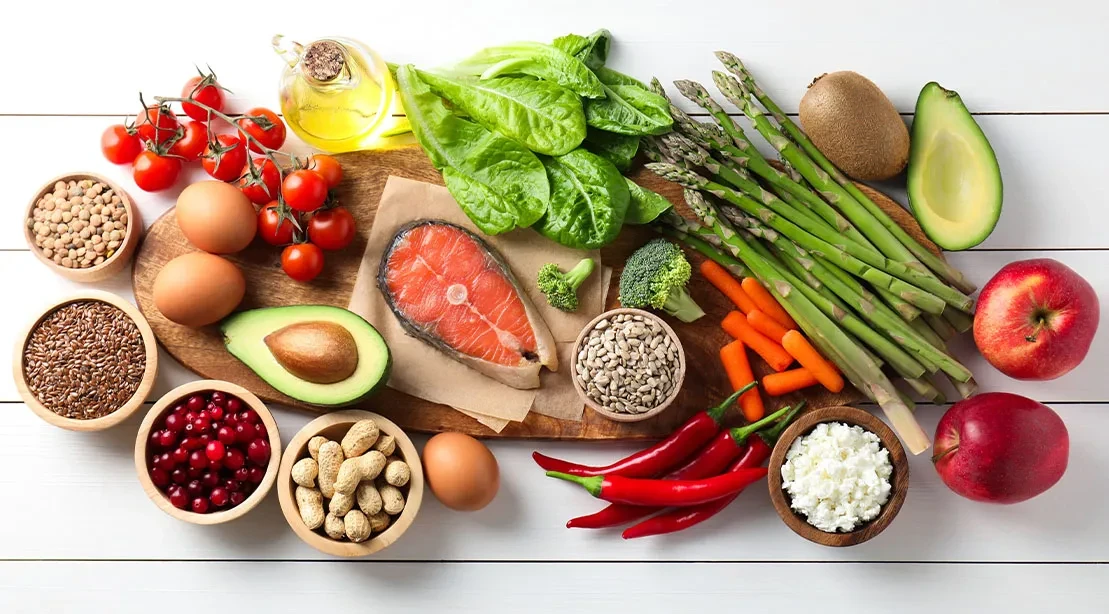
- Avocado, olive oil, fatty fish (salmon, mackerel), nuts, and seeds (in moderation).
5. Hydration: The Unsung Fat Loss Catalyst
Dehydration reduces fat oxidation, impairs performance, and increases hunger. Drink half your body weight in ounces of water daily (e.g., 150 lbs → 75 oz water).
Implementation Timeline
This 28-day plan is structured to:
Days 1–7: Establish baseline calories, protein, and carbs.
Days 8–21: Gradually reduce carbs (0.25g/lb/day) while maintaining protein/fat targets.
Days 22–28: Reassess progress; adjust macros if fat loss stalls (<0.5 lbs/week).
By adhering to this science-backed framework, you’ll optimize fat loss, preserve muscle, and achieve the shredded physique you’ve trained for. Consistency is key—commit to the plan, and the results will follow.
“These strategies are not just about calories; they’re about aligning macronutrients to your body’s unique needs. Trust the process, and watch the transformation unfold.” — Brad Kolowich Jr.
28-Day Lean Transformation Meal Plan: A Science-Backed Nutrition Blueprint
Share this article: