Chase McDaniel: From Catastrophic Injury to Artistic Resilience
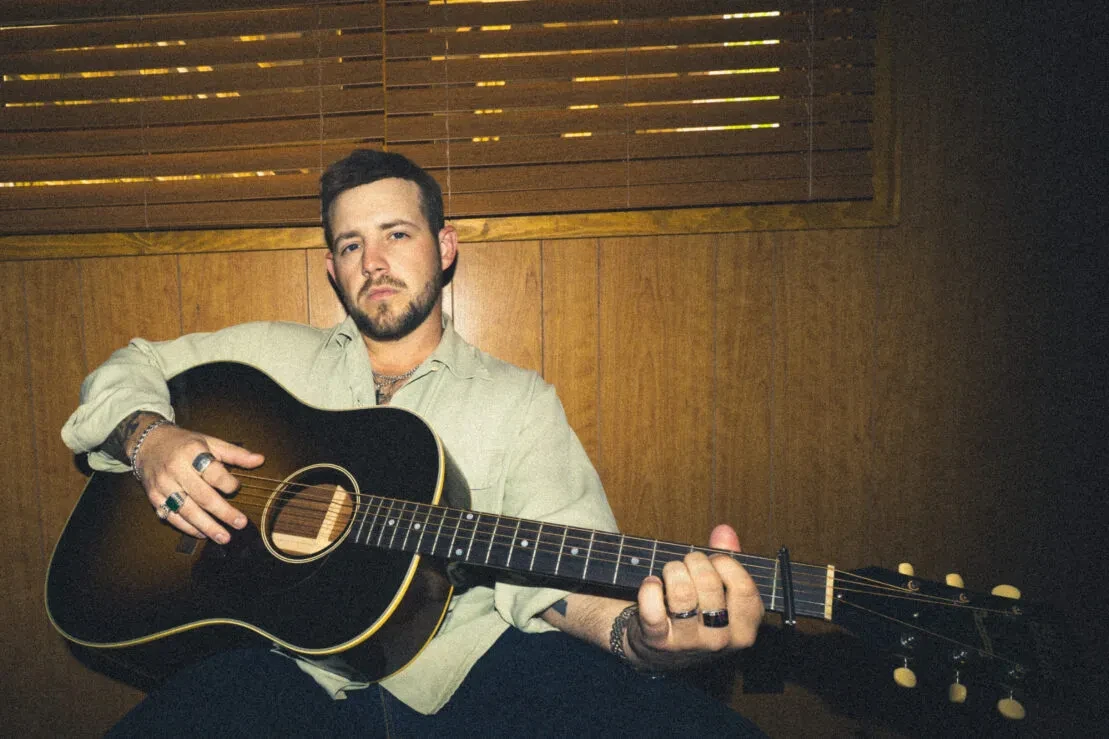
Country music’s lyrical landscape often finds its depth in narratives of heartbreak and redemption. For singer-songwriter Chase McDaniel, this truth took on a life-altering dimension following a catastrophic powerlifting accident that fractured his physical and mental well-being—only to reforge his identity through songwriting and artistic expression.
The Powerlifting Foundation and Catastrophic Setback
Raised in a family “eating, sleeping, and breathing powerlifting,” McDaniel’s obsession with strength began in childhood: by age four, he was squatting under the guidance of his father, a national champion, and grandfather, an Olympic lifter. By his teens, the Kentucky native had cemented his status as a rising powerlifter, boasting competition squats of 491 pounds and gym bench presses exceeding 325 pounds. His deadlift, though his weakest event, still ranged in the 490–500-pound range—a testament to his discipline.
This trajectory shifted violently during a 2012 training session for the American Open weightlifting event, when McDaniel attempted a 300-pound power clean personal record (PR). As he lifted, he blacked out, collapsing beneath the 300-pound barbell. The aftermath: a severe concussion, neck injury, and amnesia. “I woke up in a CAT scan machine with a neck brace, not knowing who I was, what year it was, or even my family,” he recalls.
Post-Injury Trauma and Mental Health Crisis
The physical wounds were severe, but the psychological scars proved deeper. Within weeks of the accident, McDaniel tried to return to the gym, using a 40-kilogram warm-up weight. The result: a panic attack so intense it felt like “a bomb in my skull.” This marked the onset of relentless panic attacks—episodes that crippled daily life, from grocery store trips to home routines. “It stole my identity,” he admits. “I felt like I was dying, and there was nothing I could do.”
Grief over his father’s overdose (during his senior year) compounded his struggles. “I tried to push through alone, then I tried to take my life,” he confesses, describing a bridge jump that was halted by a stranger’s intervention. “I didn’t want to die—I just didn’t want to feel that pain anymore.”
Music as Therapy: From Pain to Purpose
In the years following, McDaniel turned to songwriting as his lifeline. “I buried my emotions in music,” he says. “It was the only way to process without burdening others.” This therapeutic outlet birthed his debut autobiographical album, Lost Ones, released September 19. The title track, paired with an emotionally raw video, embodies a project dedicated to “anyone struggling with their own battles inside their heads.”
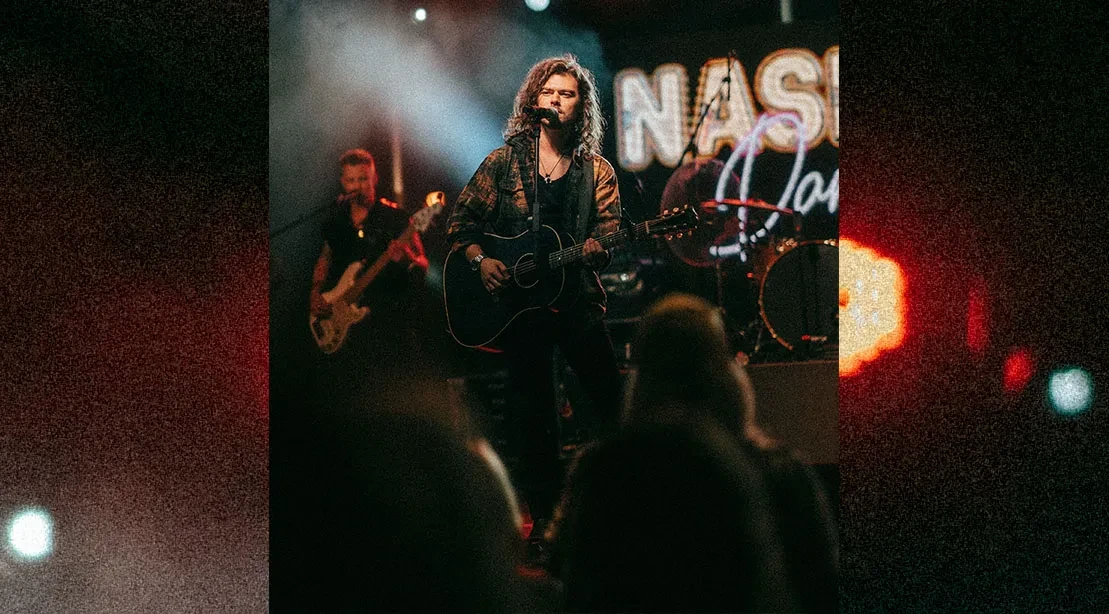
“Lost Ones is a personal journey,” McDaniel explains. “It’s anecdotes and stories of overcoming.” The album’s lead single, “Burned Down Heaven,” debuted in the Top 3 most-added tracks at Country radio, earning him MusicRow’s “DISCovery Award.” Subsequent releases like “Heart Still Works” and “Made It This Far” solidified his standing, with upcoming dates opening for Jason Aldean.
Reclaiming Strength: Physical and Mental
McDaniel’s path to healing includes both emotional and physical rehabilitation. He’s rebuilt his strength through lighter weights and a Smith machine, targeting a 250-pound bench press—an act of resilience in itself. “Each session is a win,” he notes, recalling a recent panic attack post-gym that he overcame. “I still fail, but I keep going.”
To foster community, he launched the Lost Ones Fan Club, a space for those facing mental health challenges. “I want people to know they’re not alone,” he says.
Conclusion: A Life Reborn
McDaniel’s story is one of transformation: from a powerlifter haunted by trauma to a country balladeer channeling pain into art. His journey underscores the power of music as a healing force—and the courage to rebuild, even in the face of overwhelming odds. “I’m not cured, but I’m alive,” he reflects. “And that’s the first step.”
Key Takeaway: McDaniel’s resilience—both in music and recovery—serves as a testament to the human capacity to transform adversity into art, hope, and healing.
Chase McDaniel: From Catastrophic Injury to Artistic Resilience
Share this article: